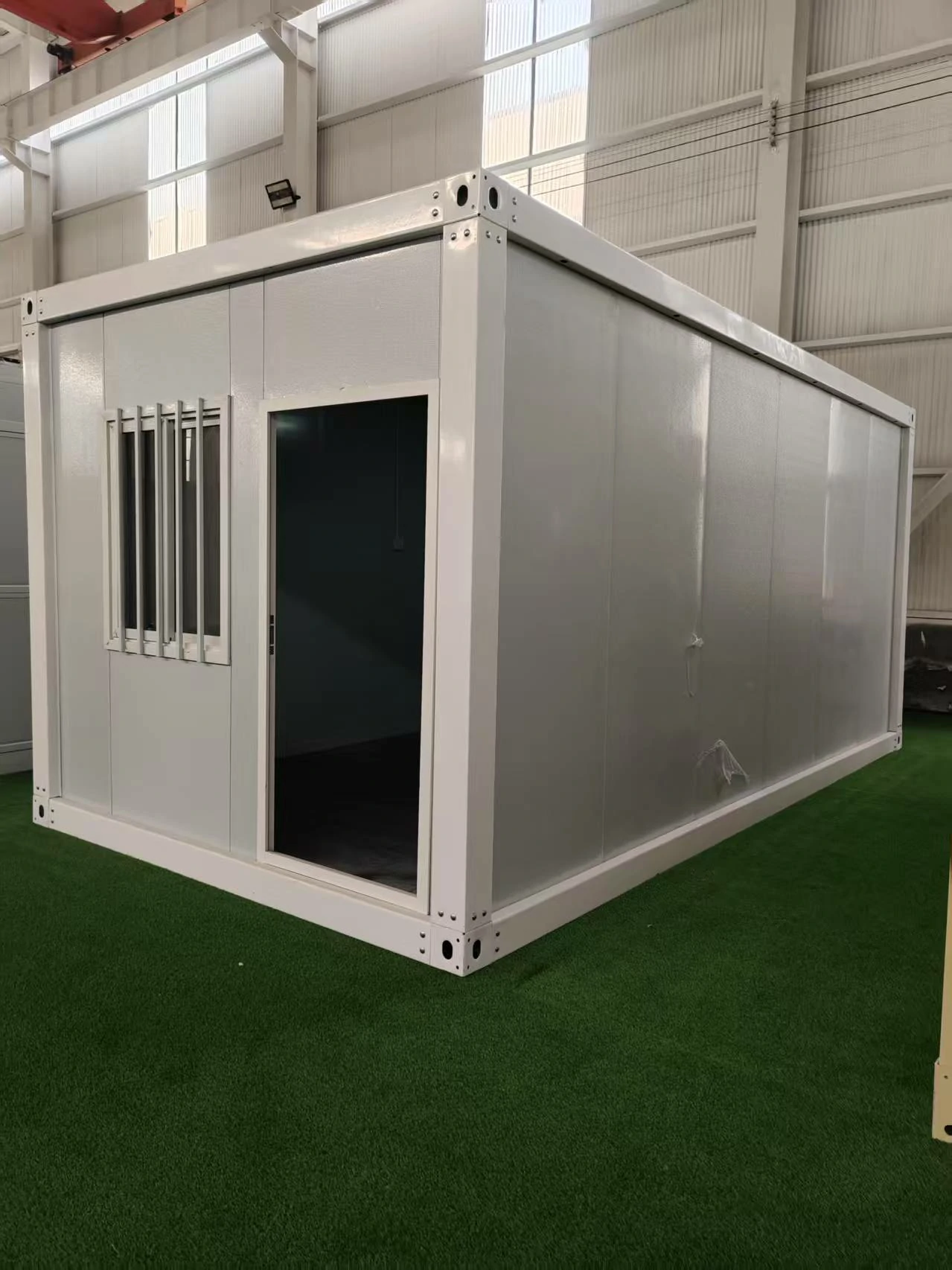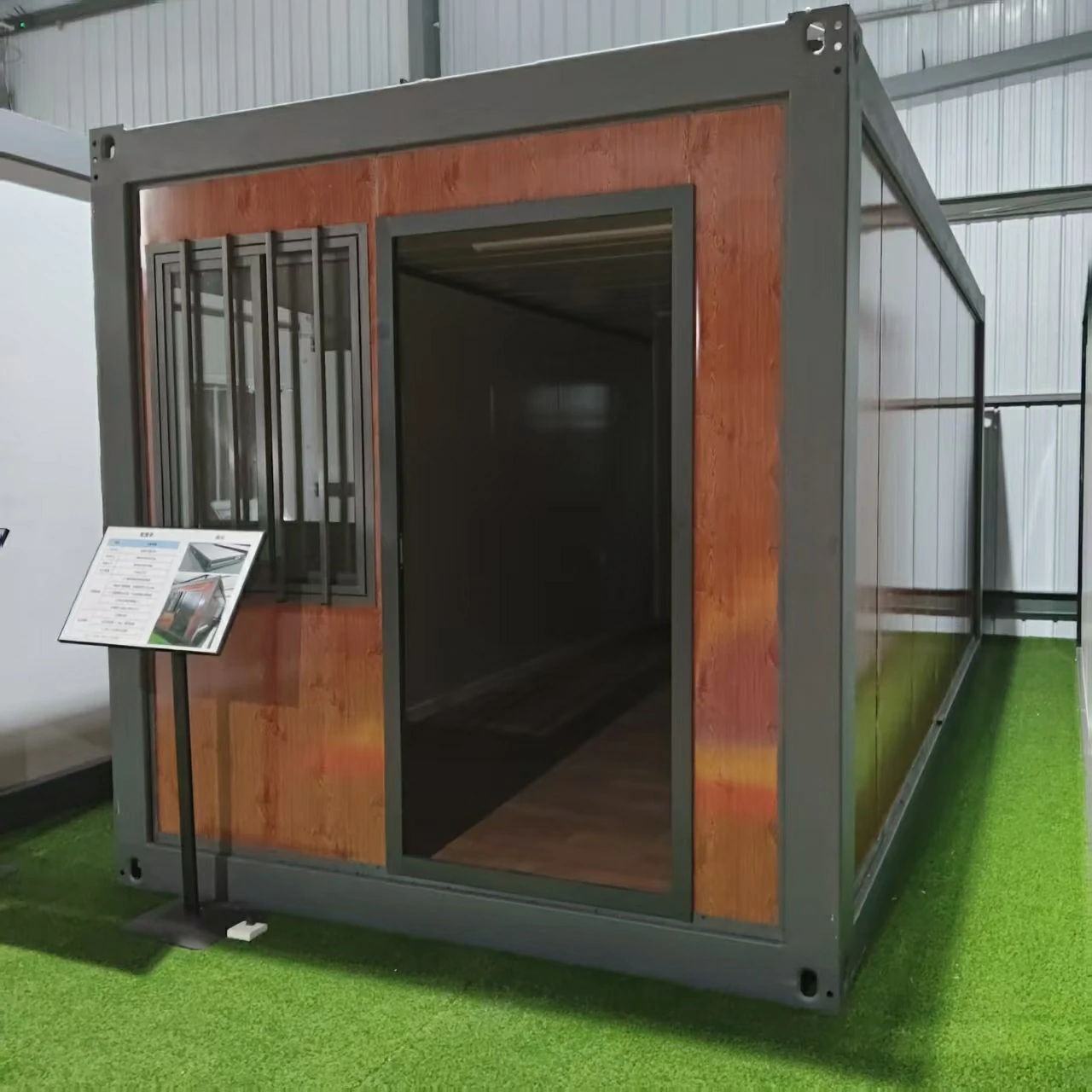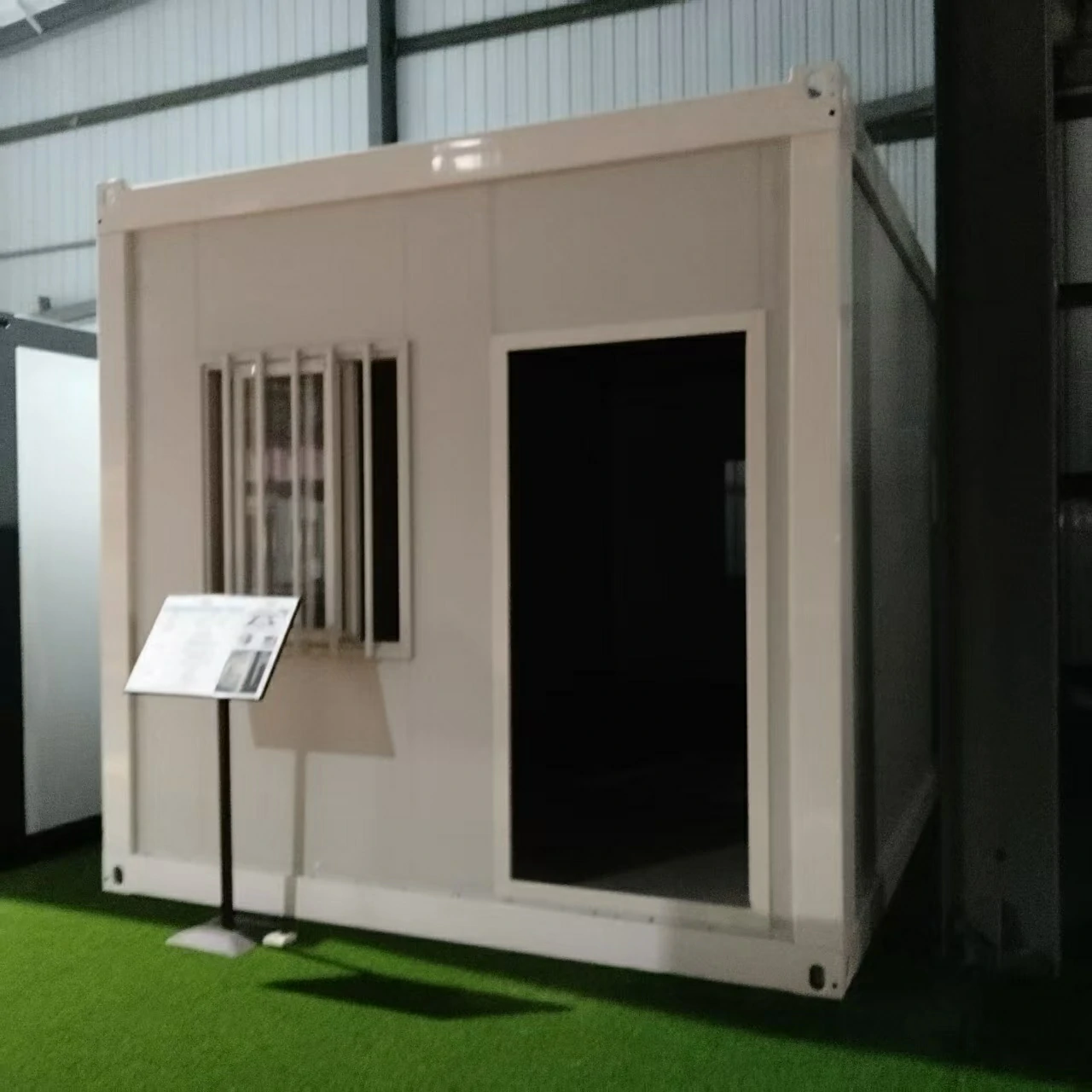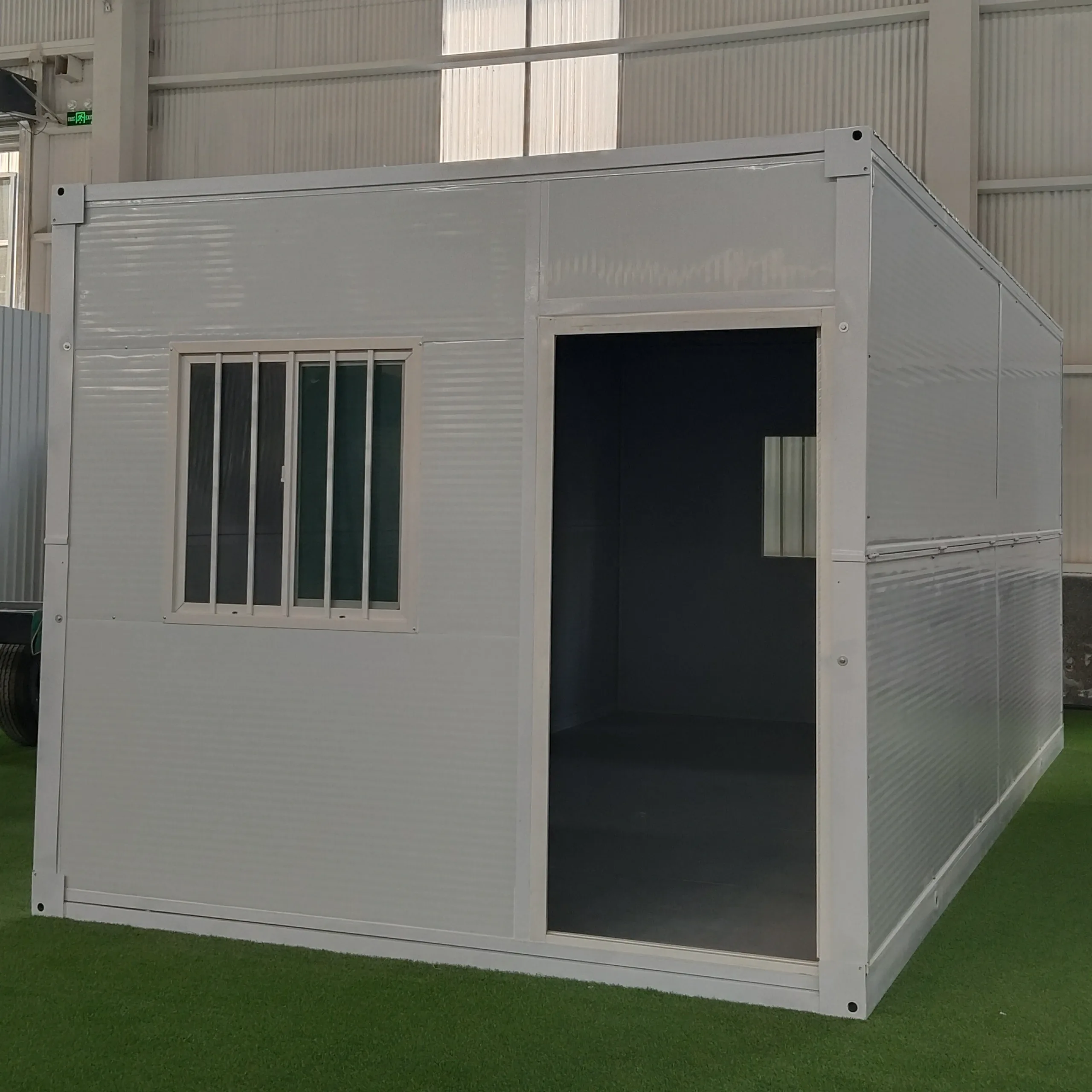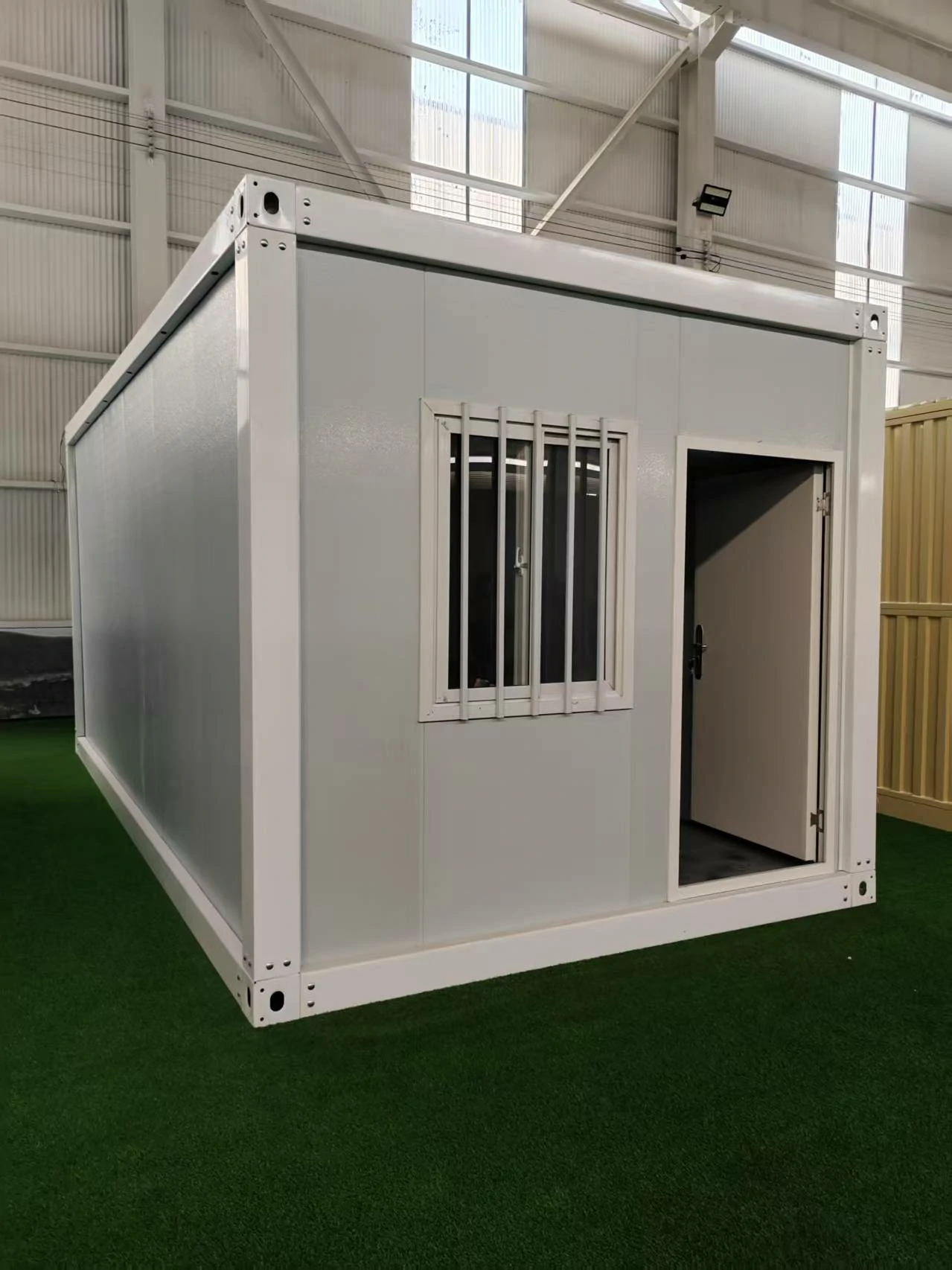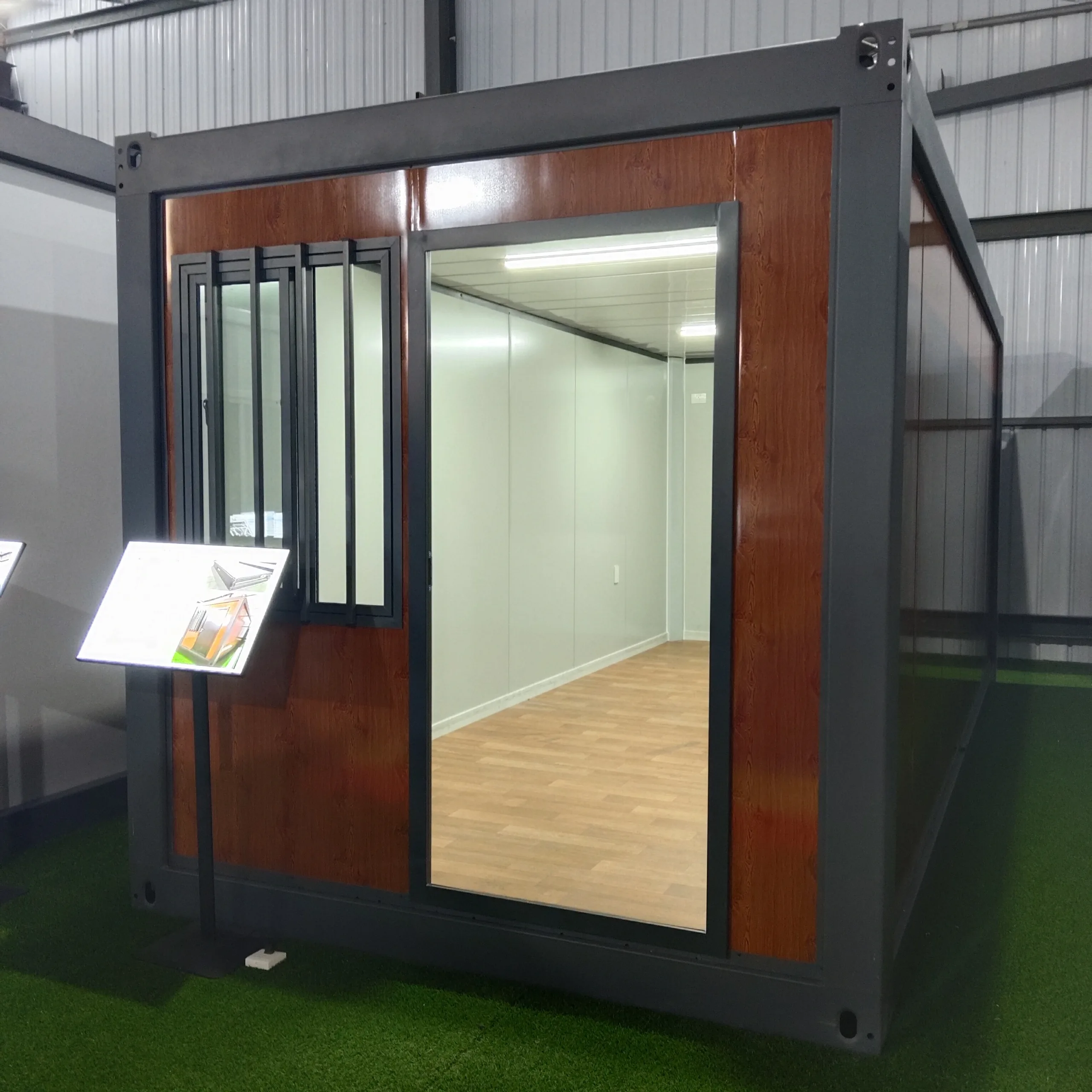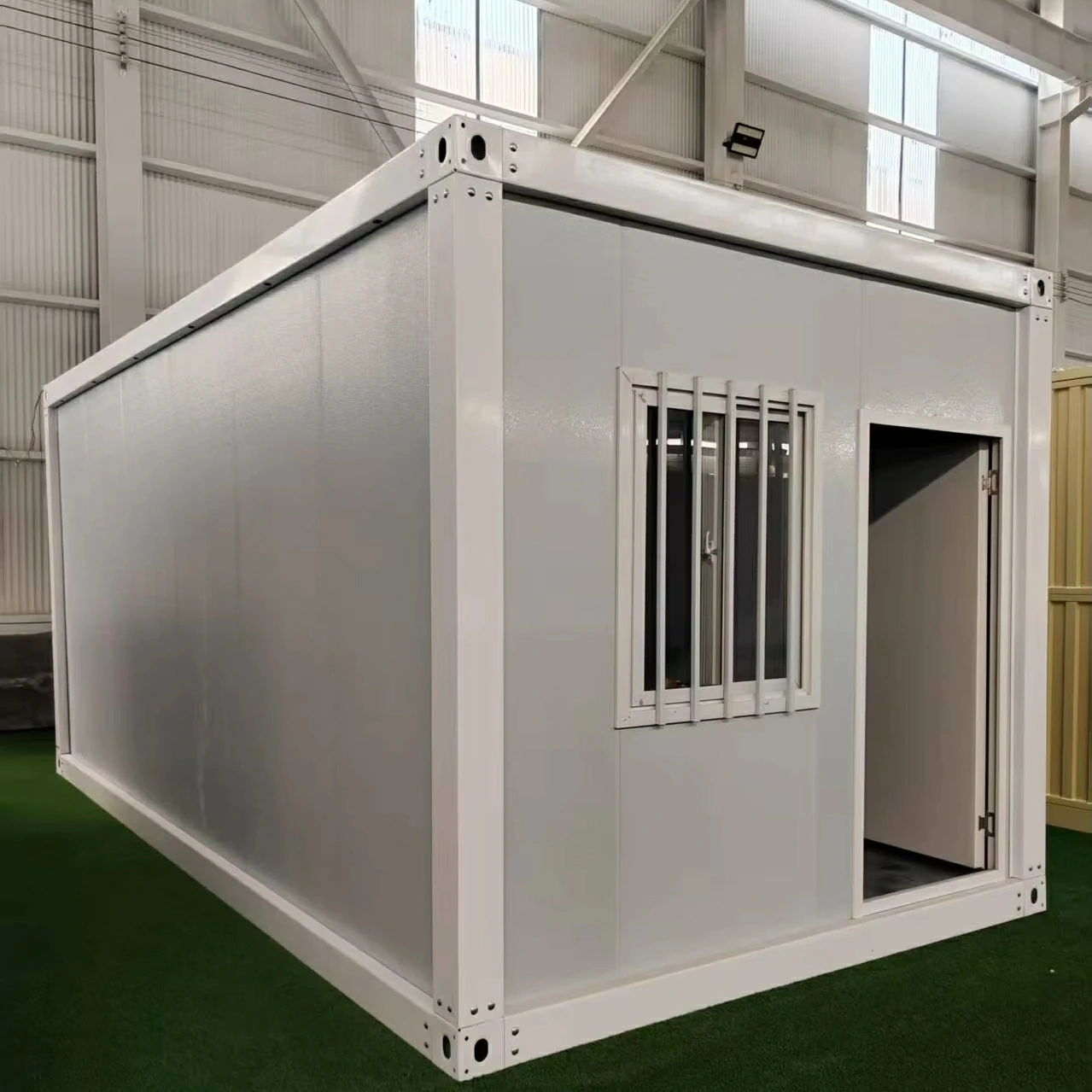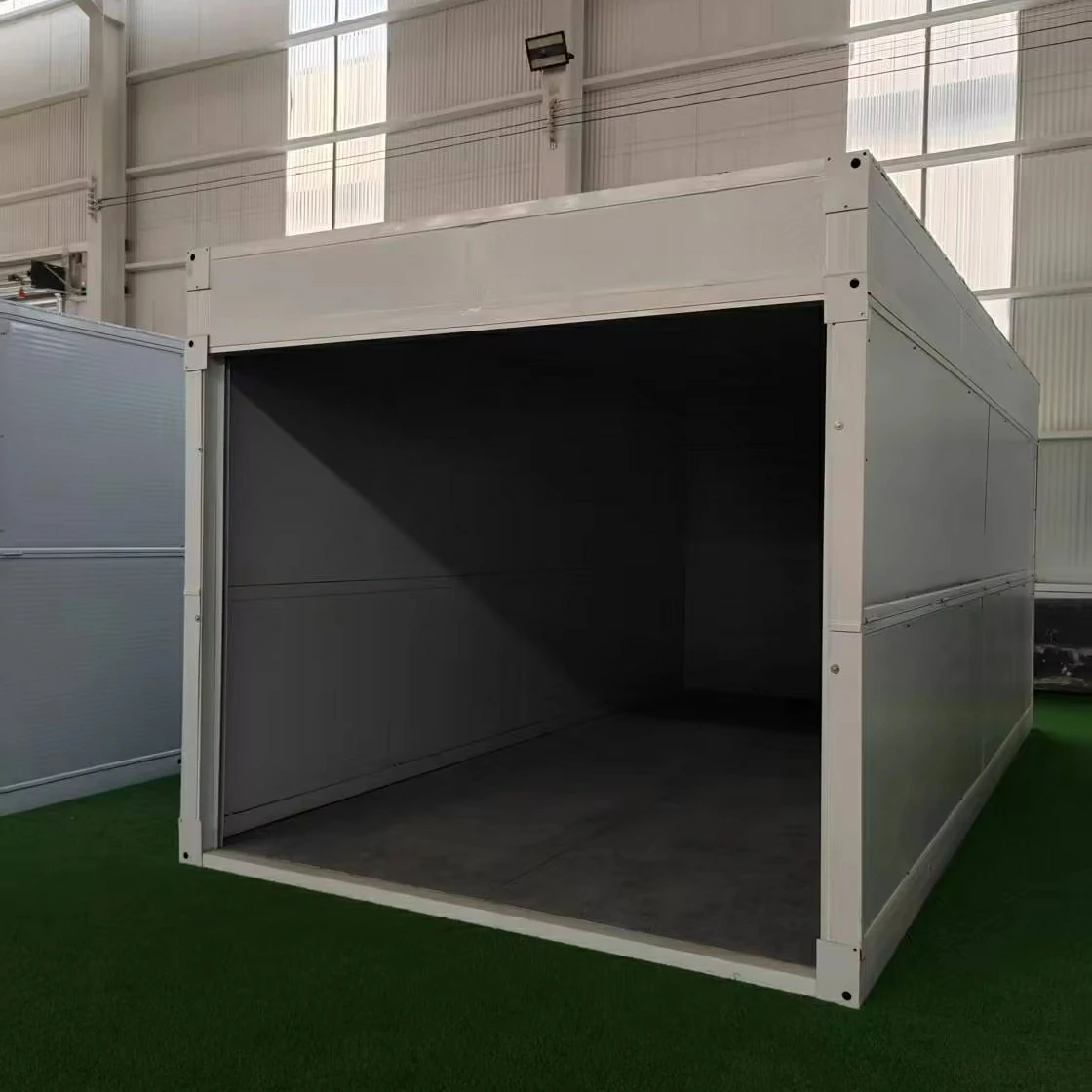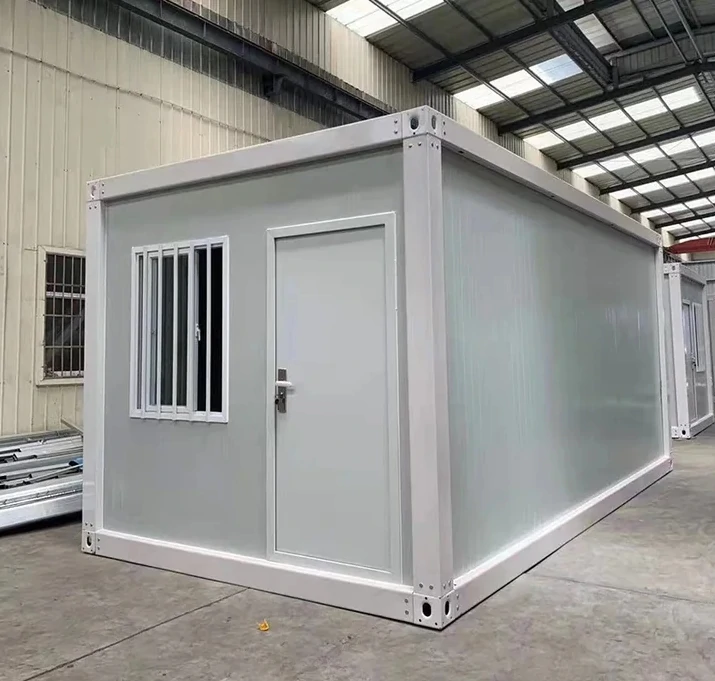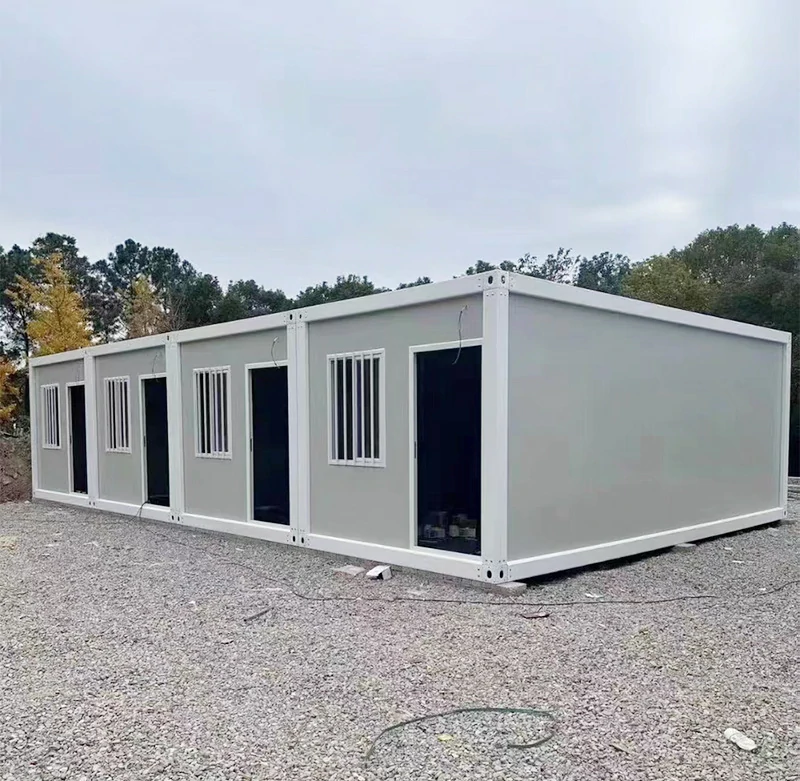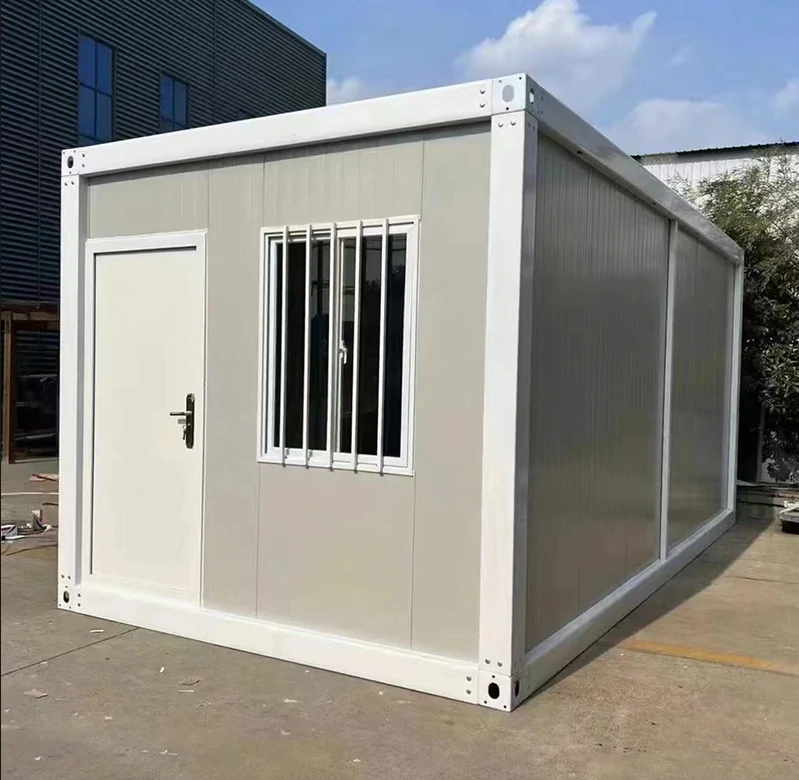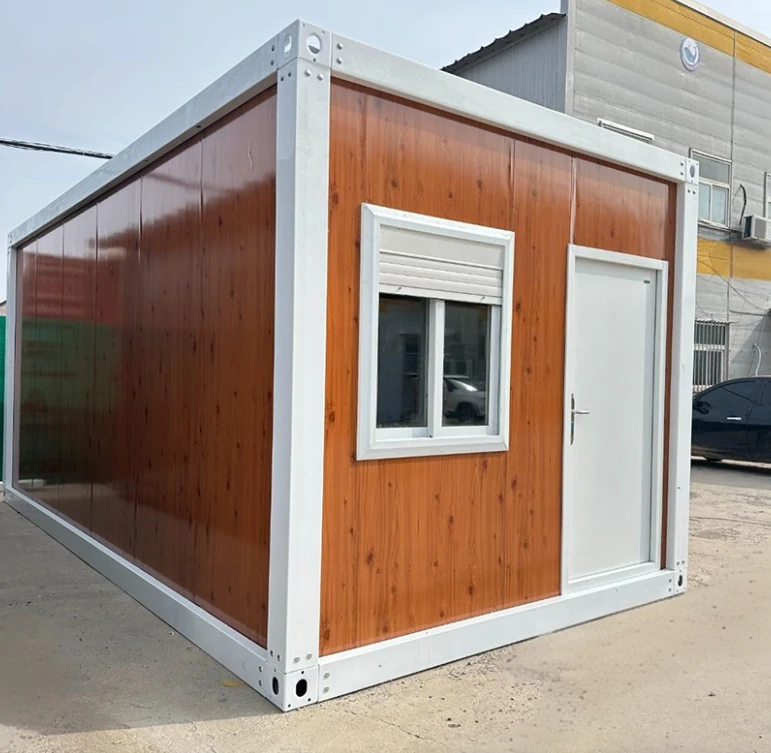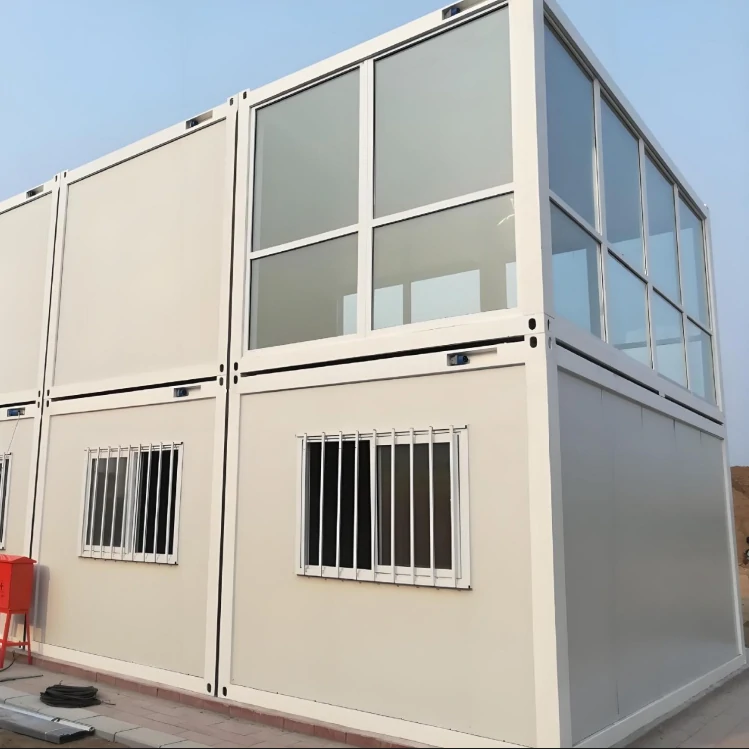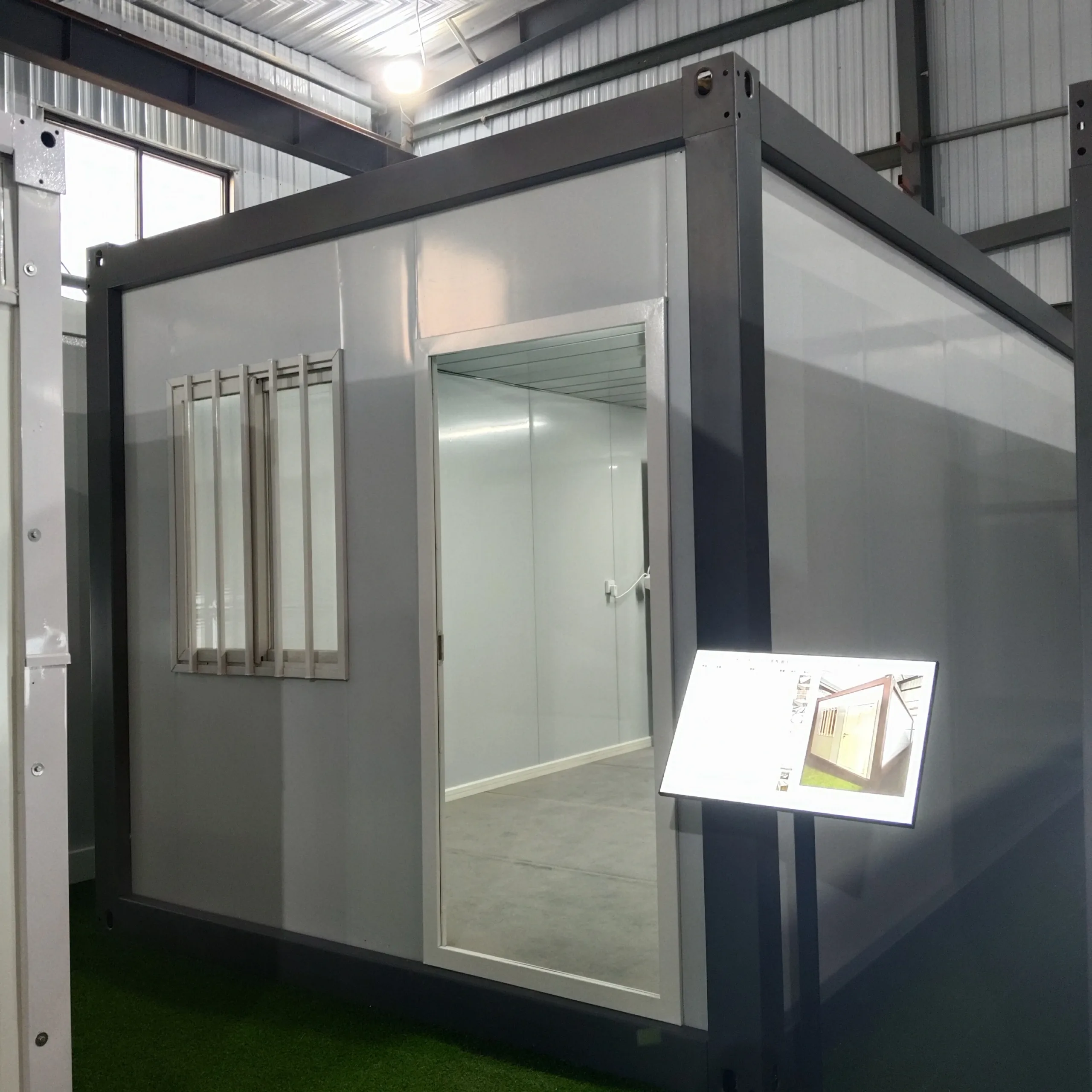
Cost-Effective
The cost of containers themselves is relatively low, and the renovation and construction cycles are short, saving a significant amount of labor and material costs. They are suitable for building projects with limited budgets.
Fast Construction
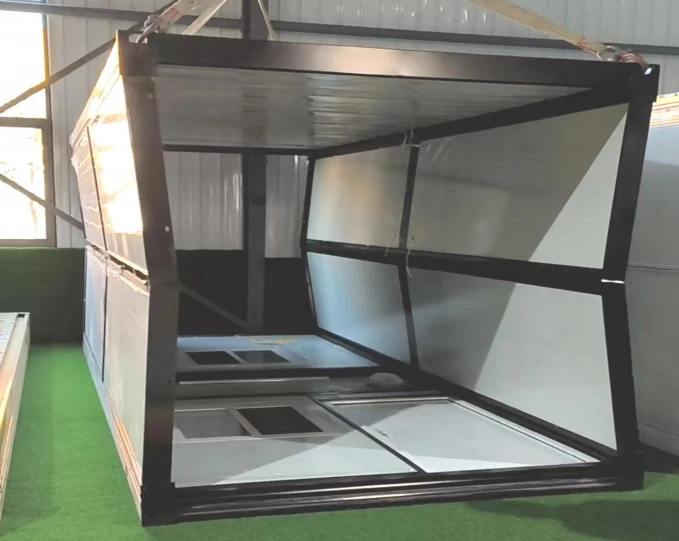
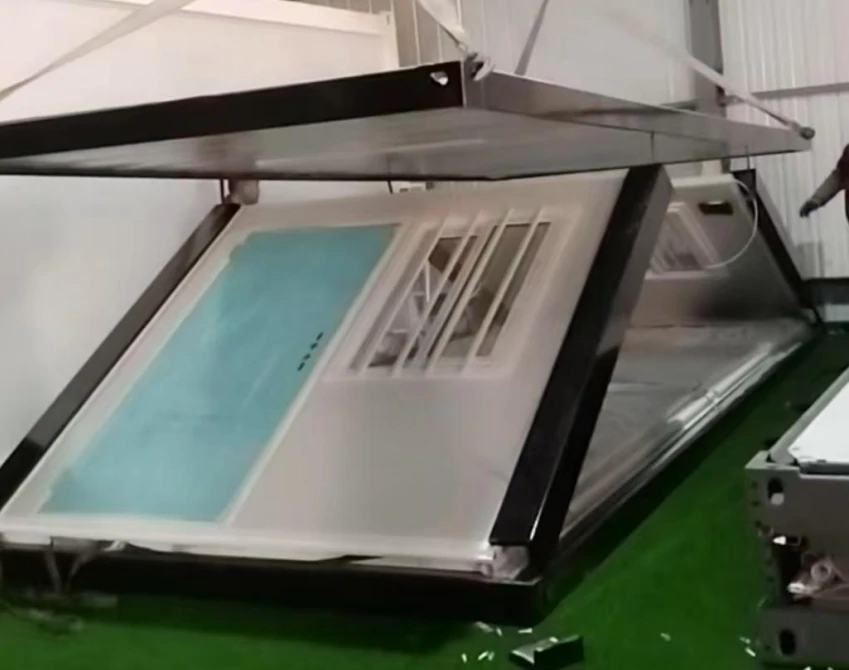
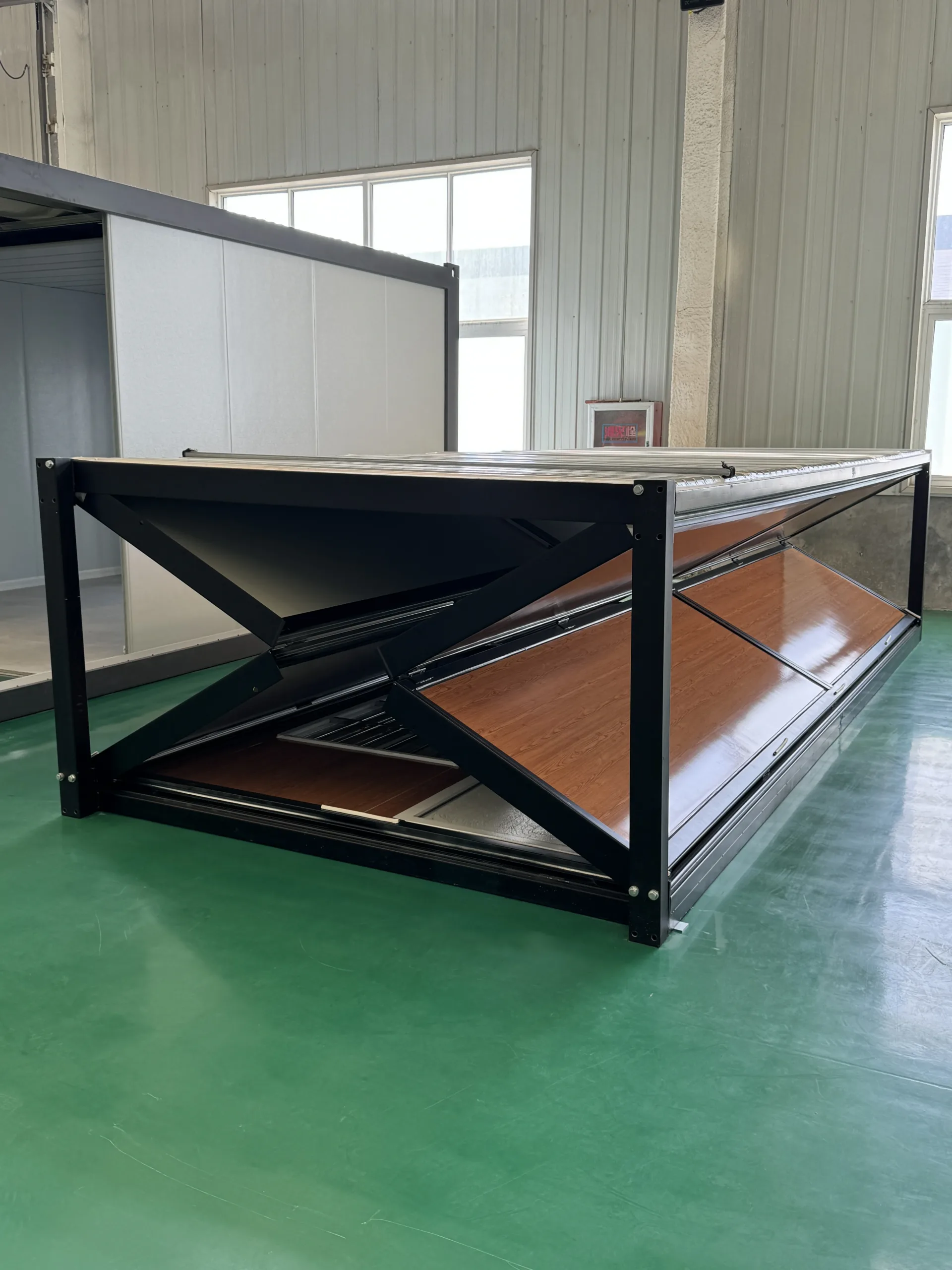
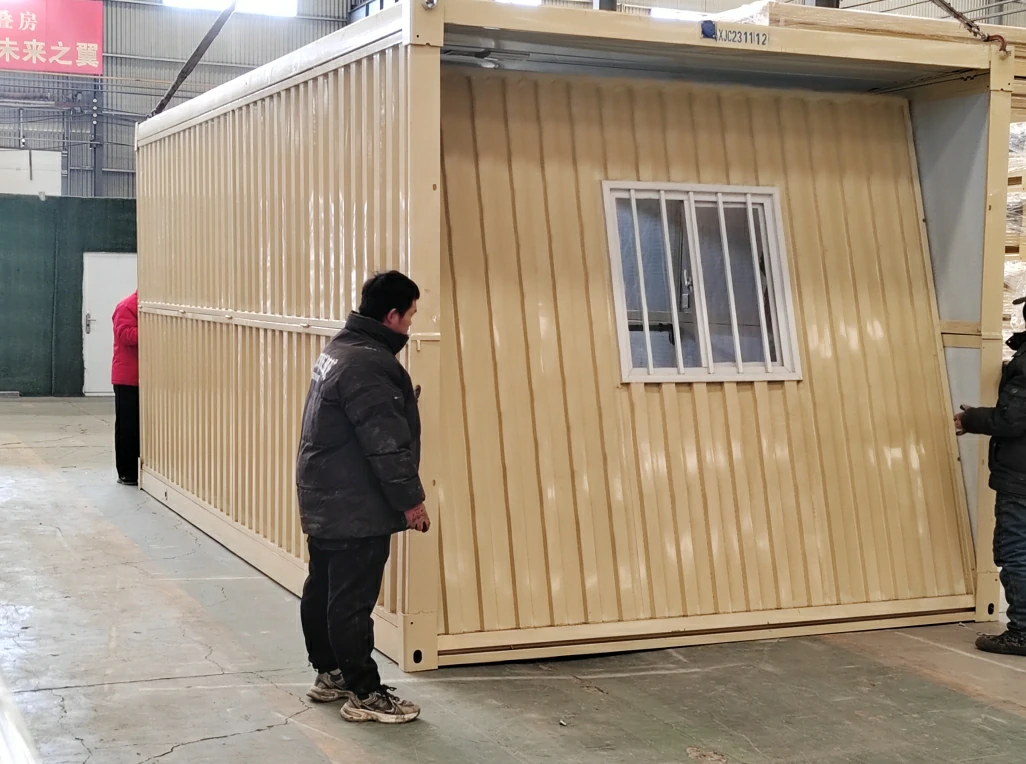
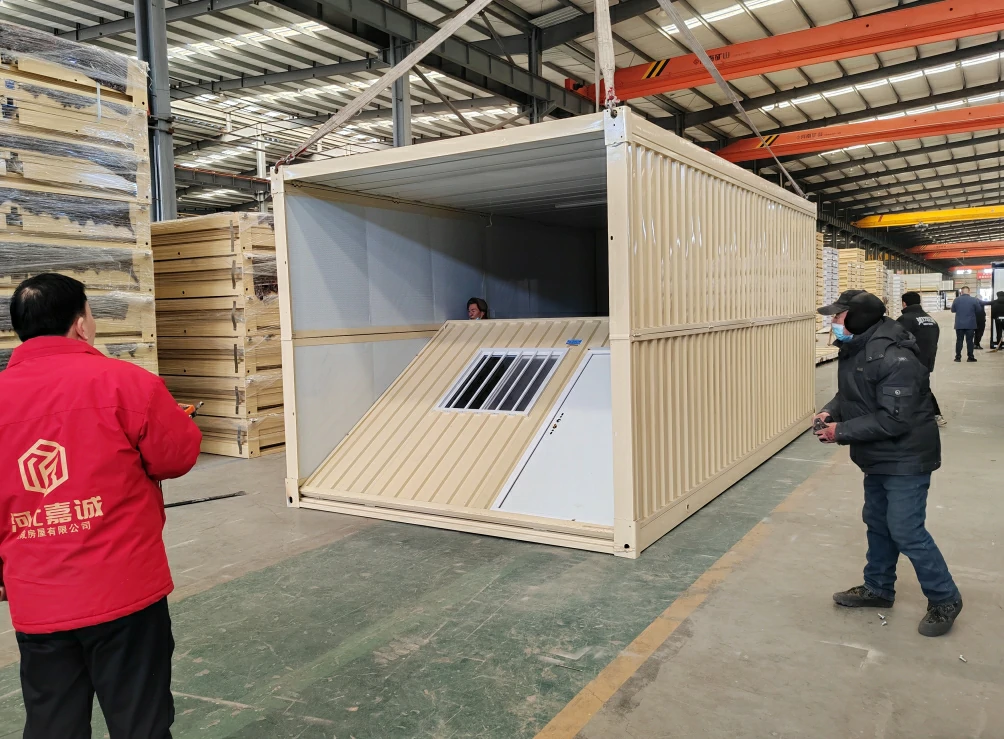
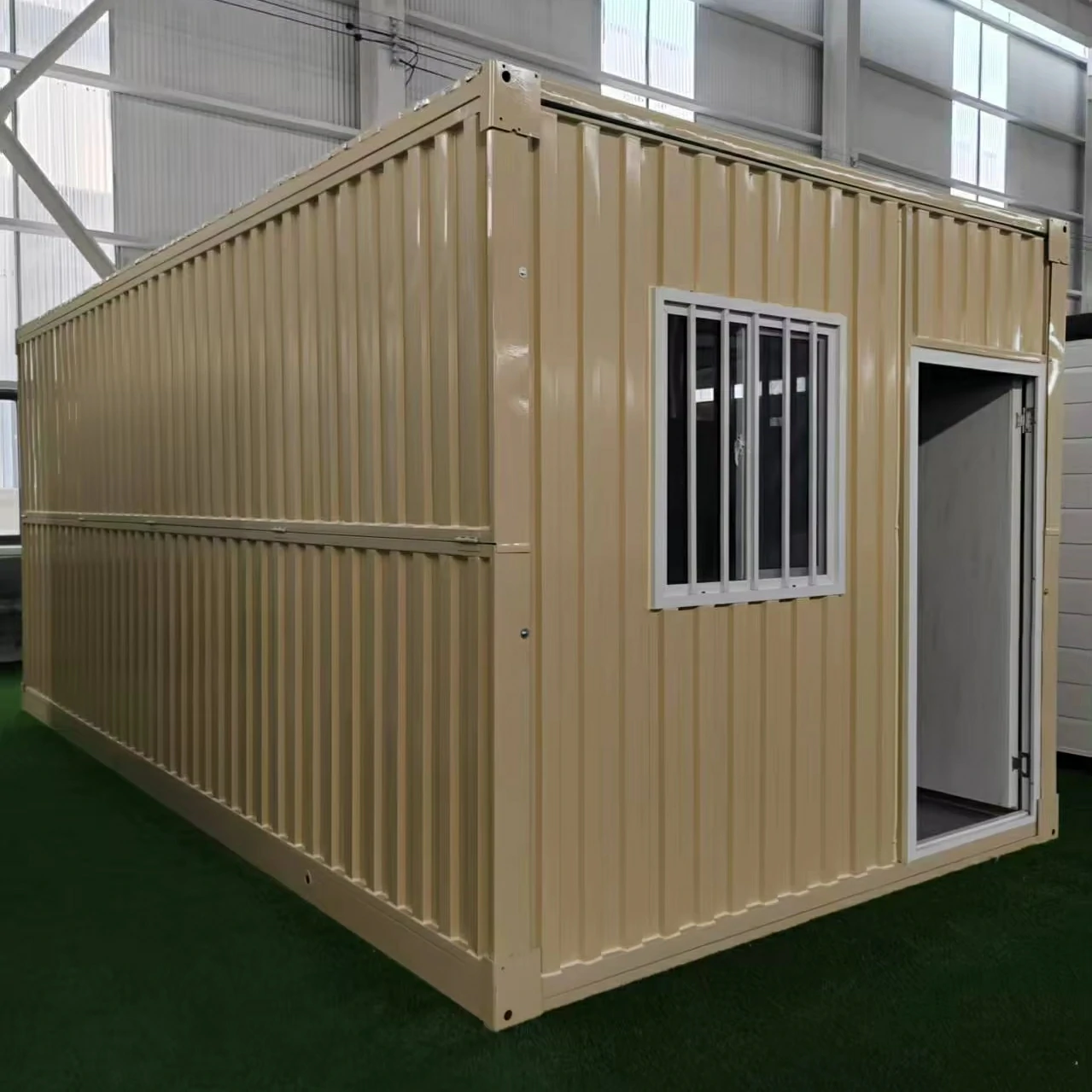
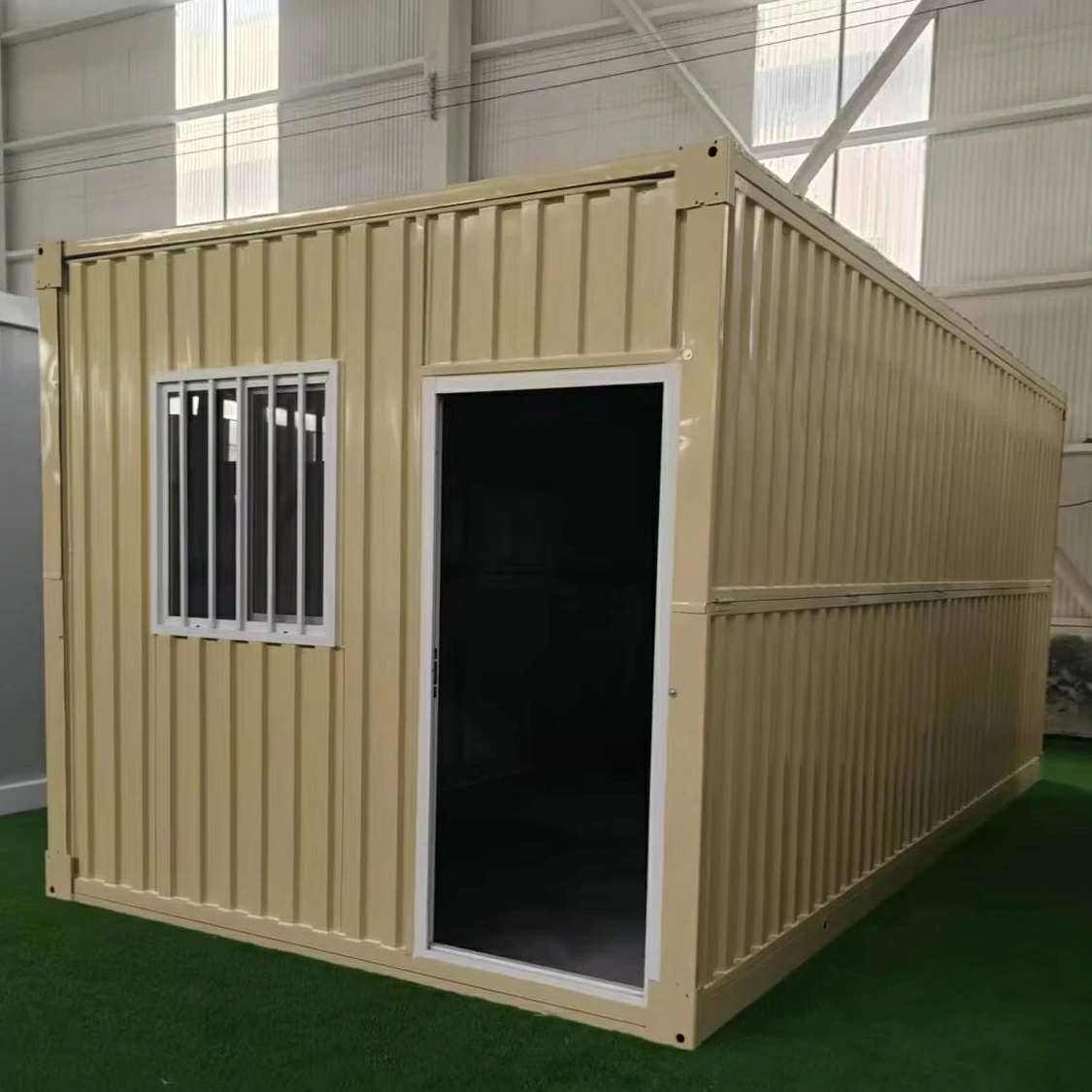
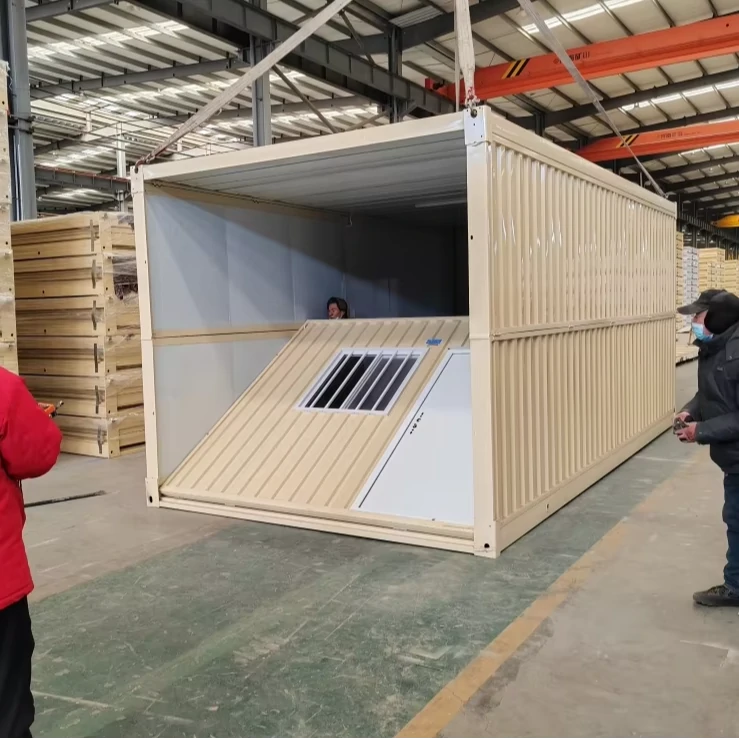
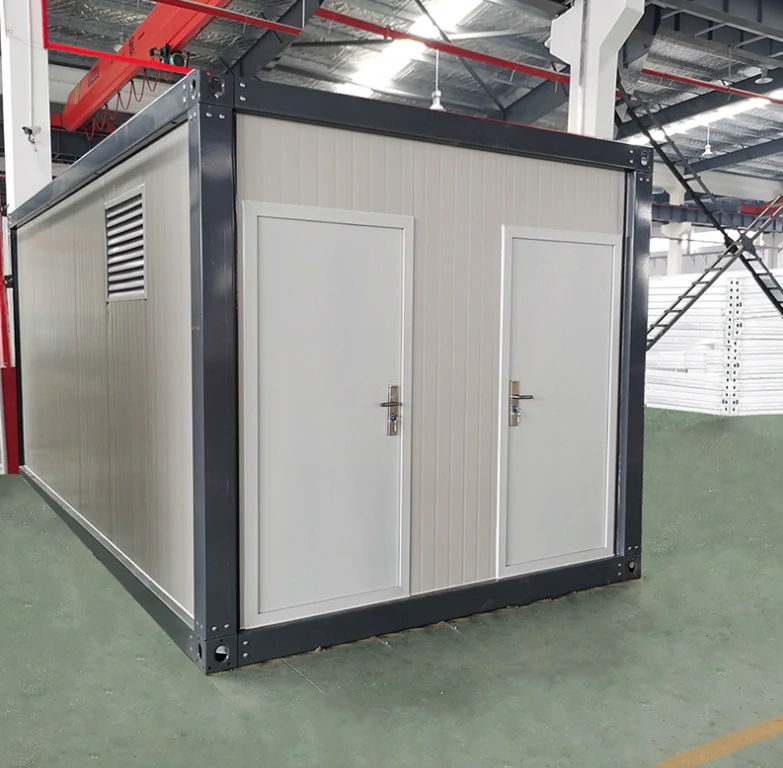
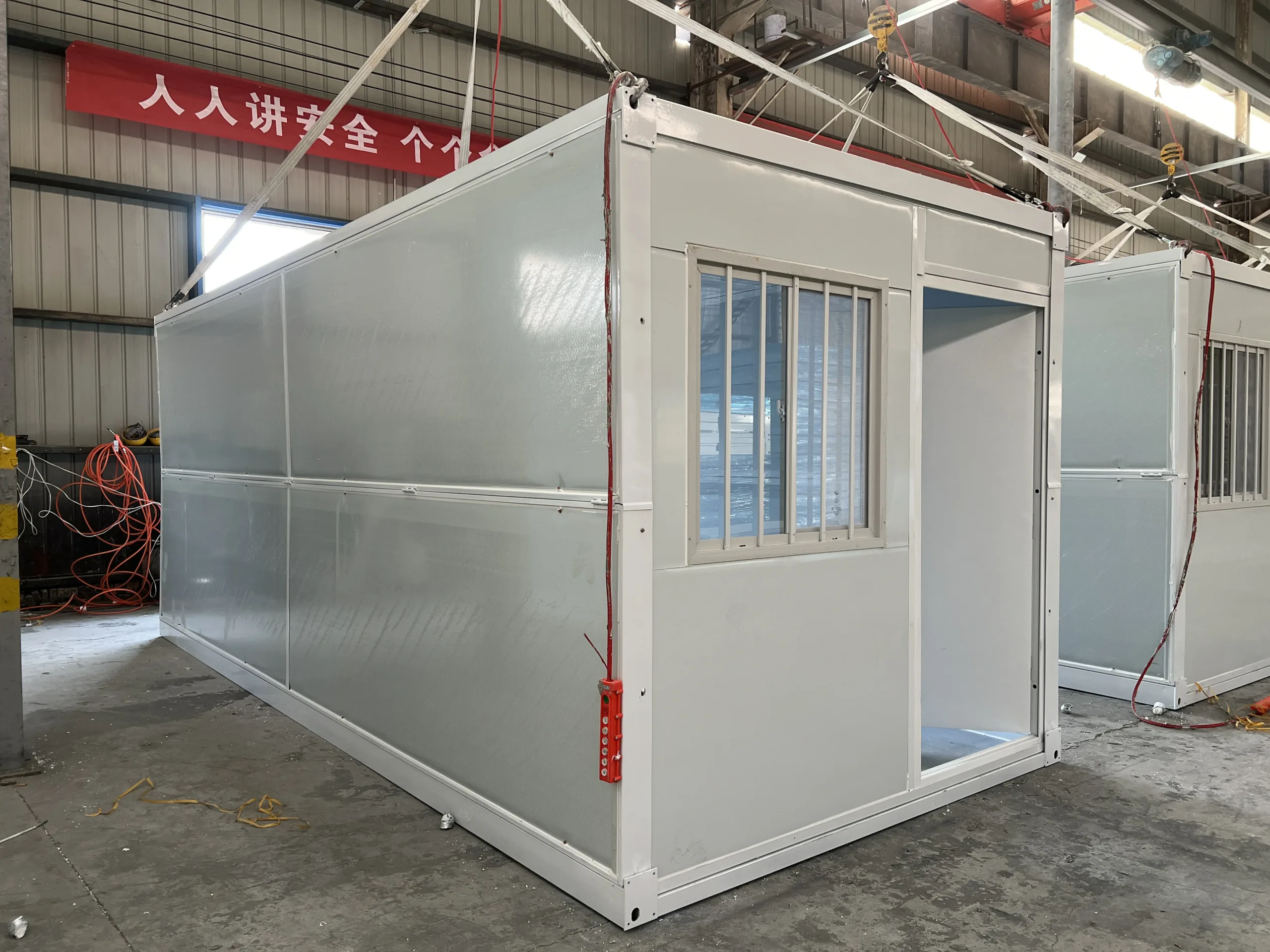
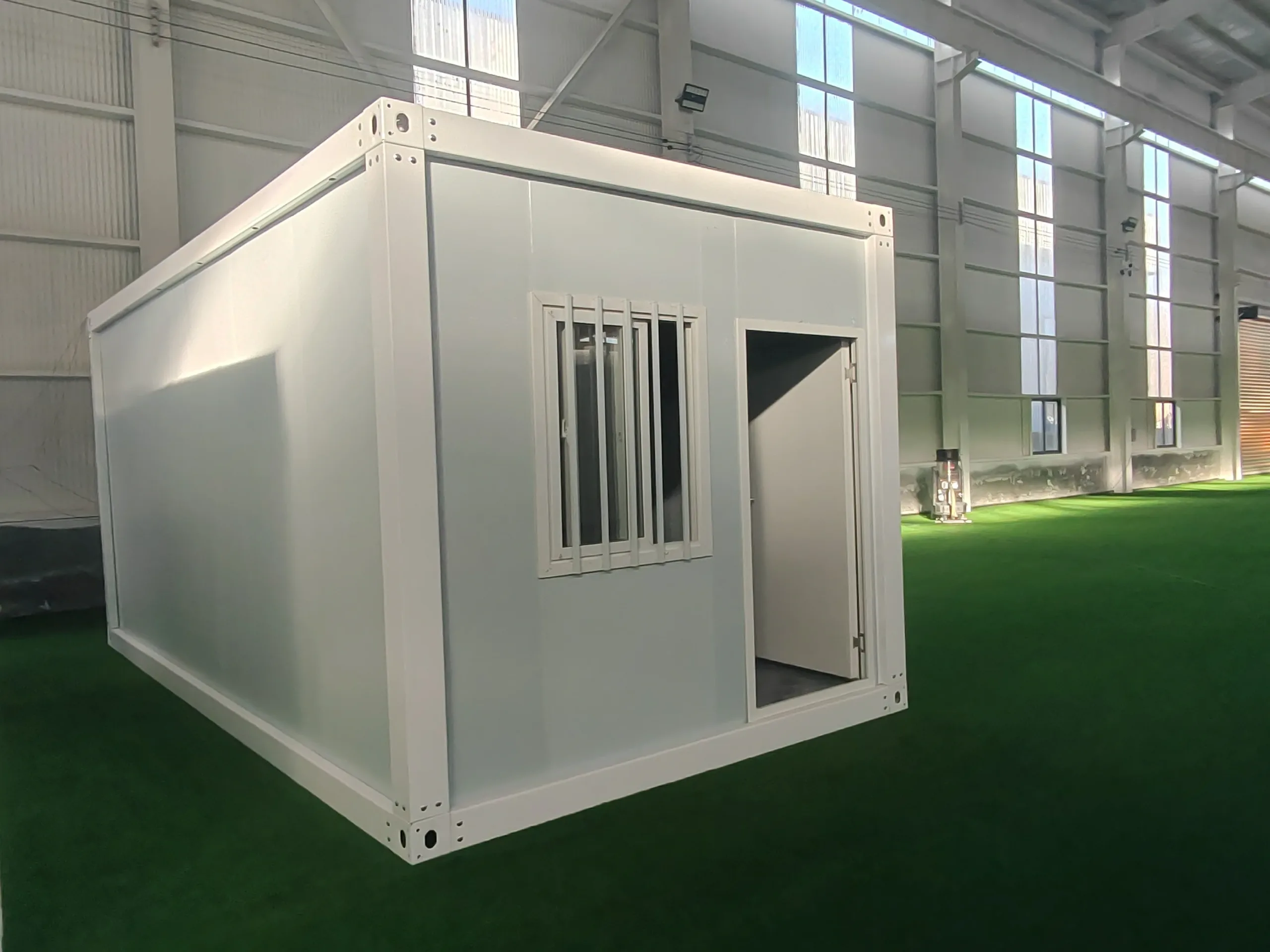
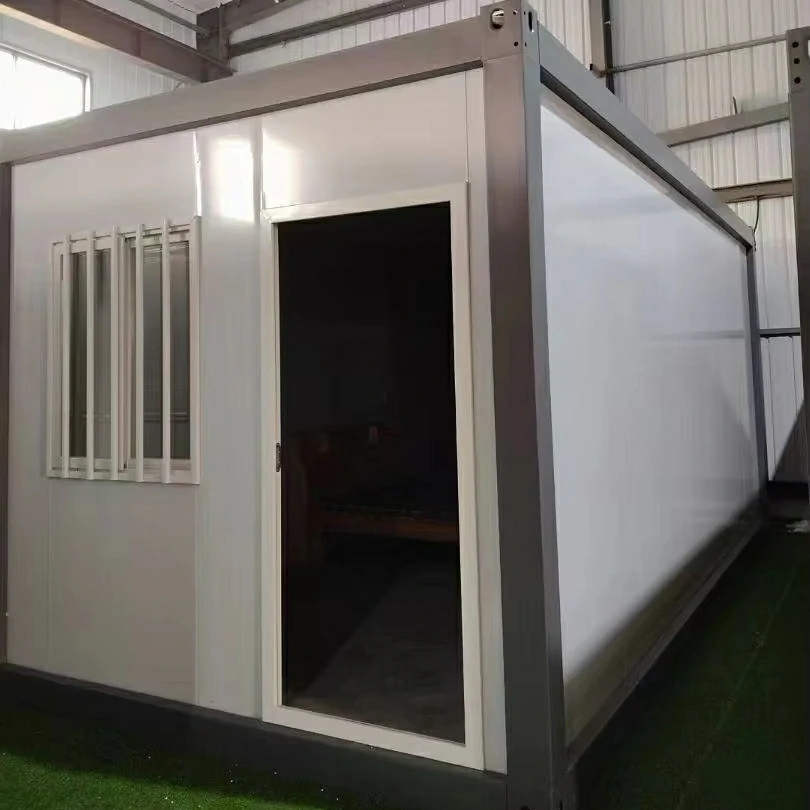
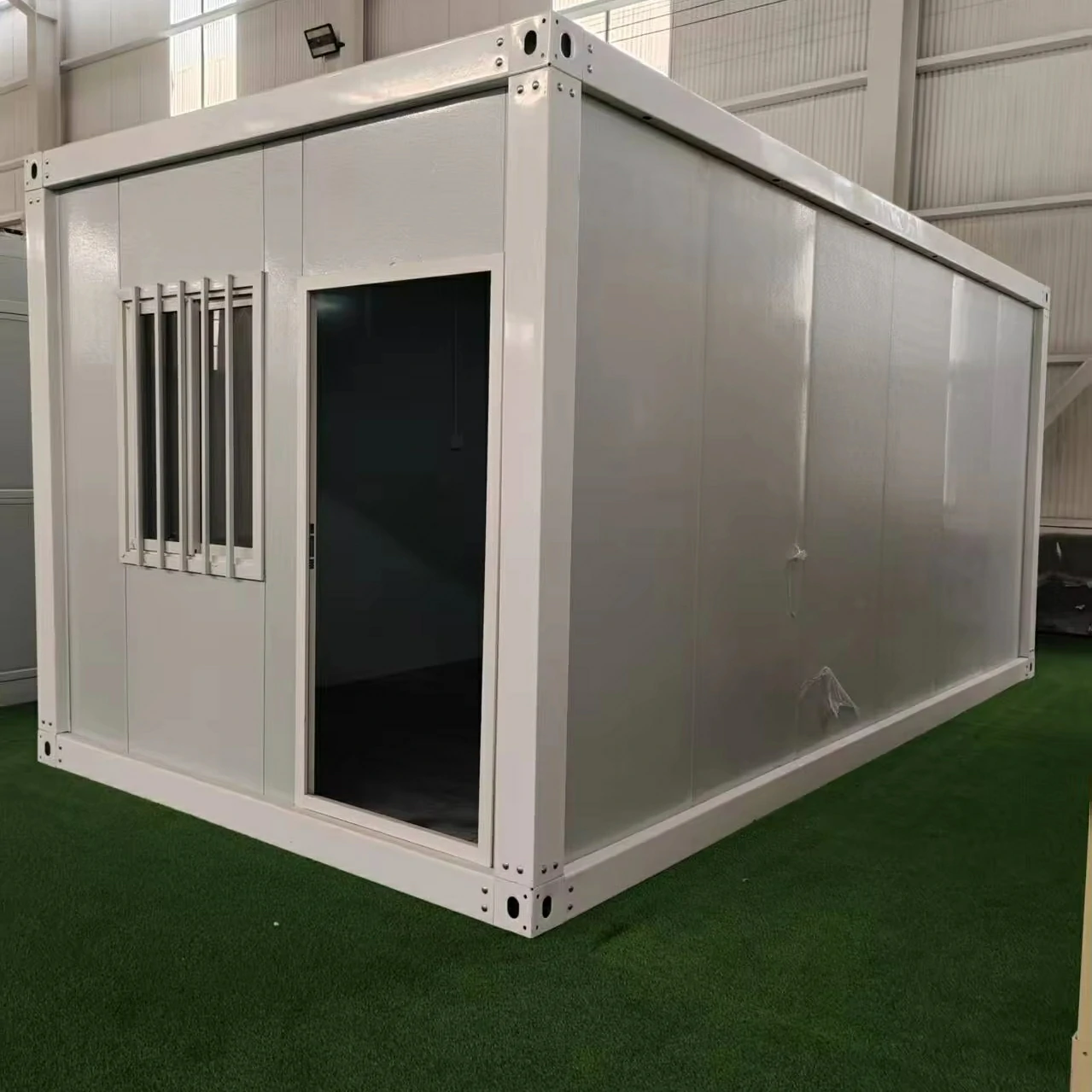
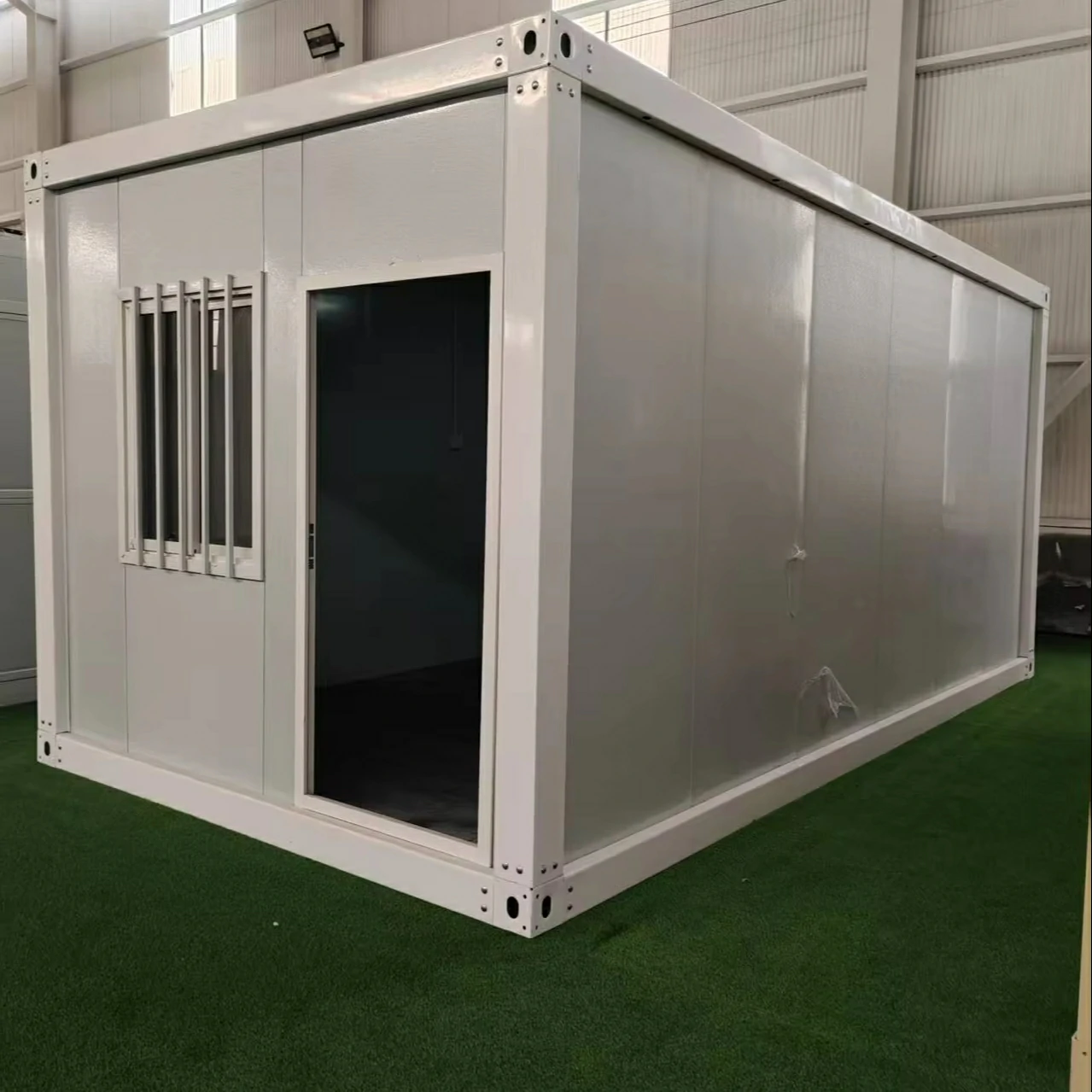
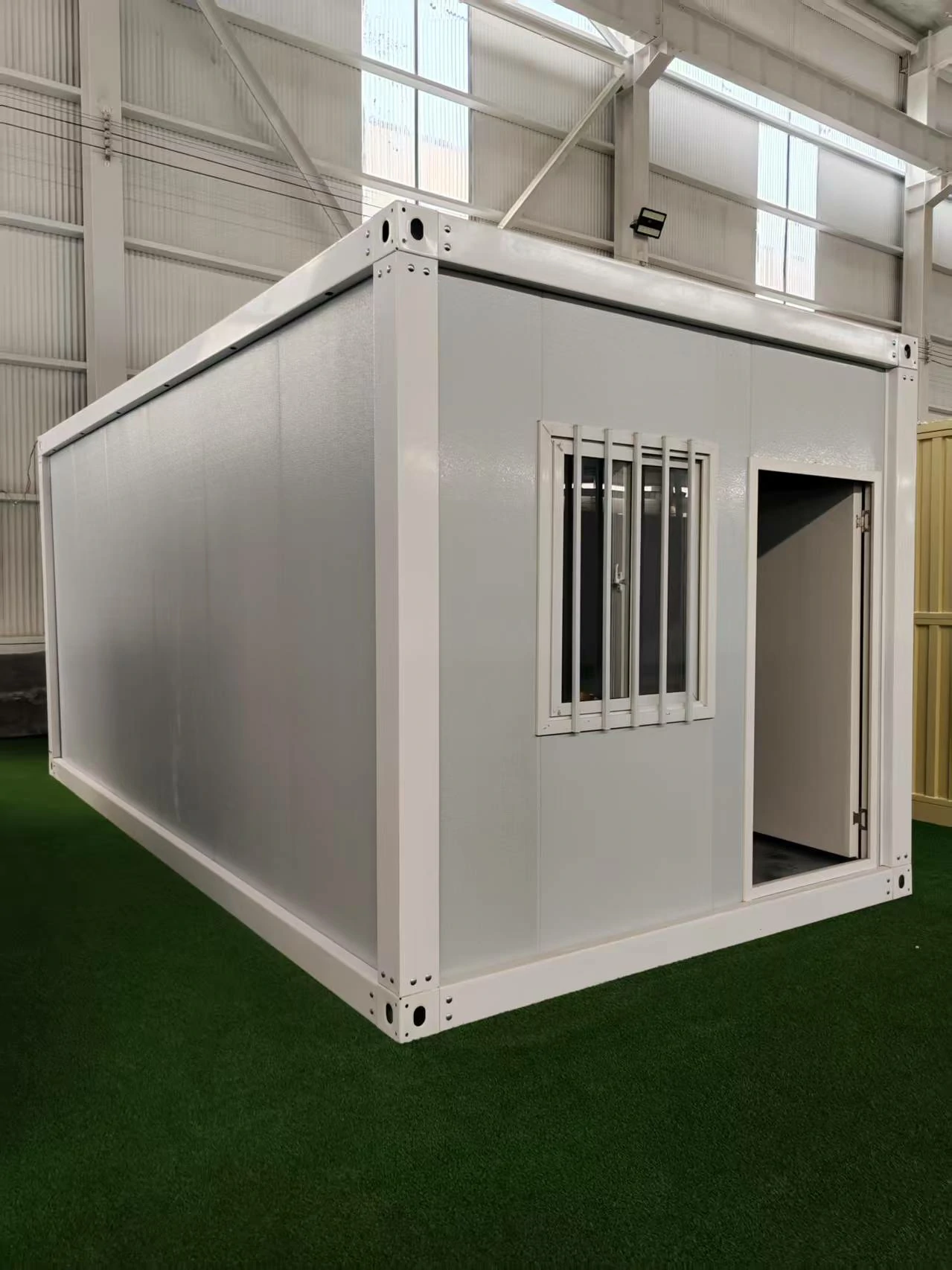
Most of the work for container houses can be prefabricated in the factory, and only simple assembly is required on site, greatly reducing the construction period. This makes them ideal for temporary buildings that need to be put into use quickly.
Easy to Relocate
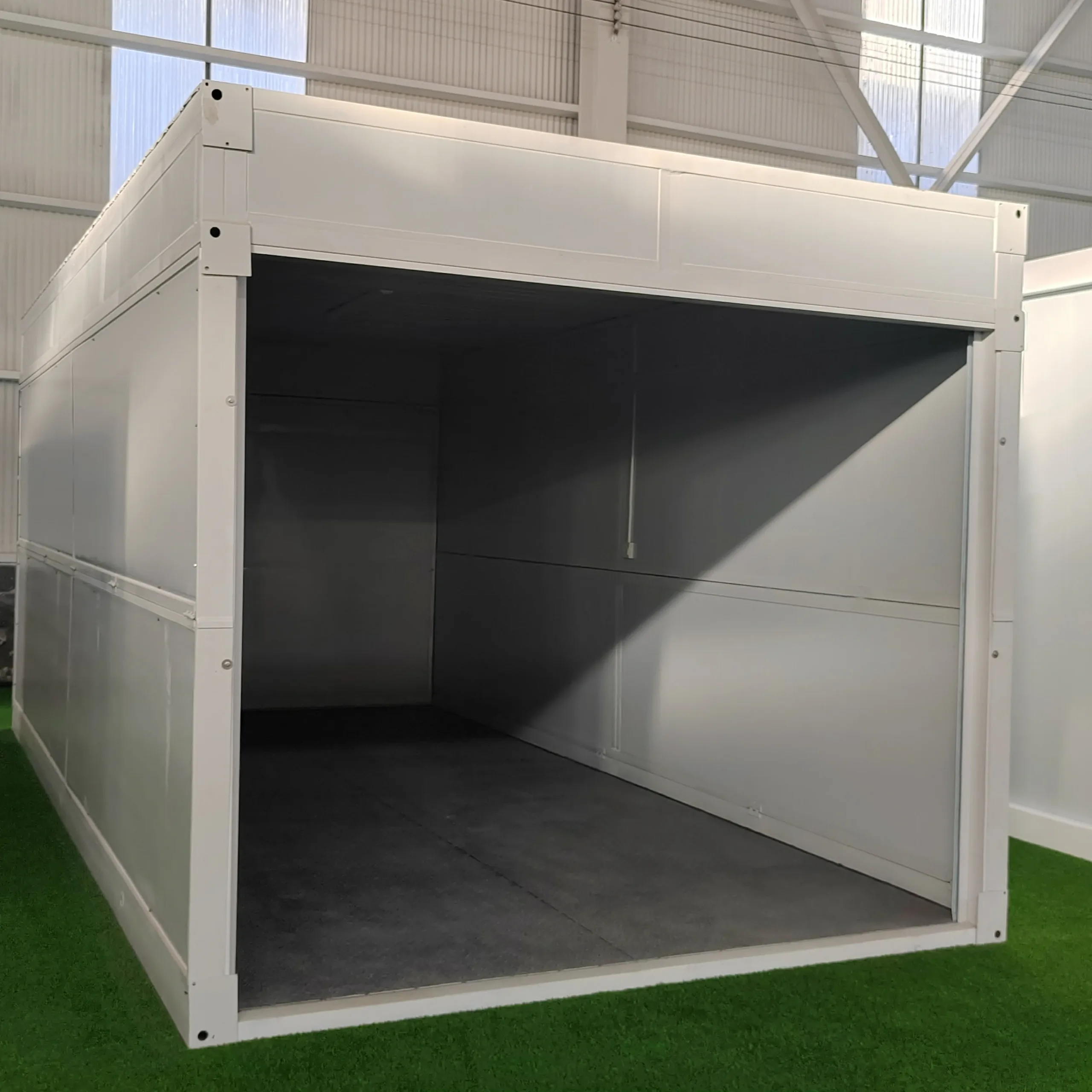
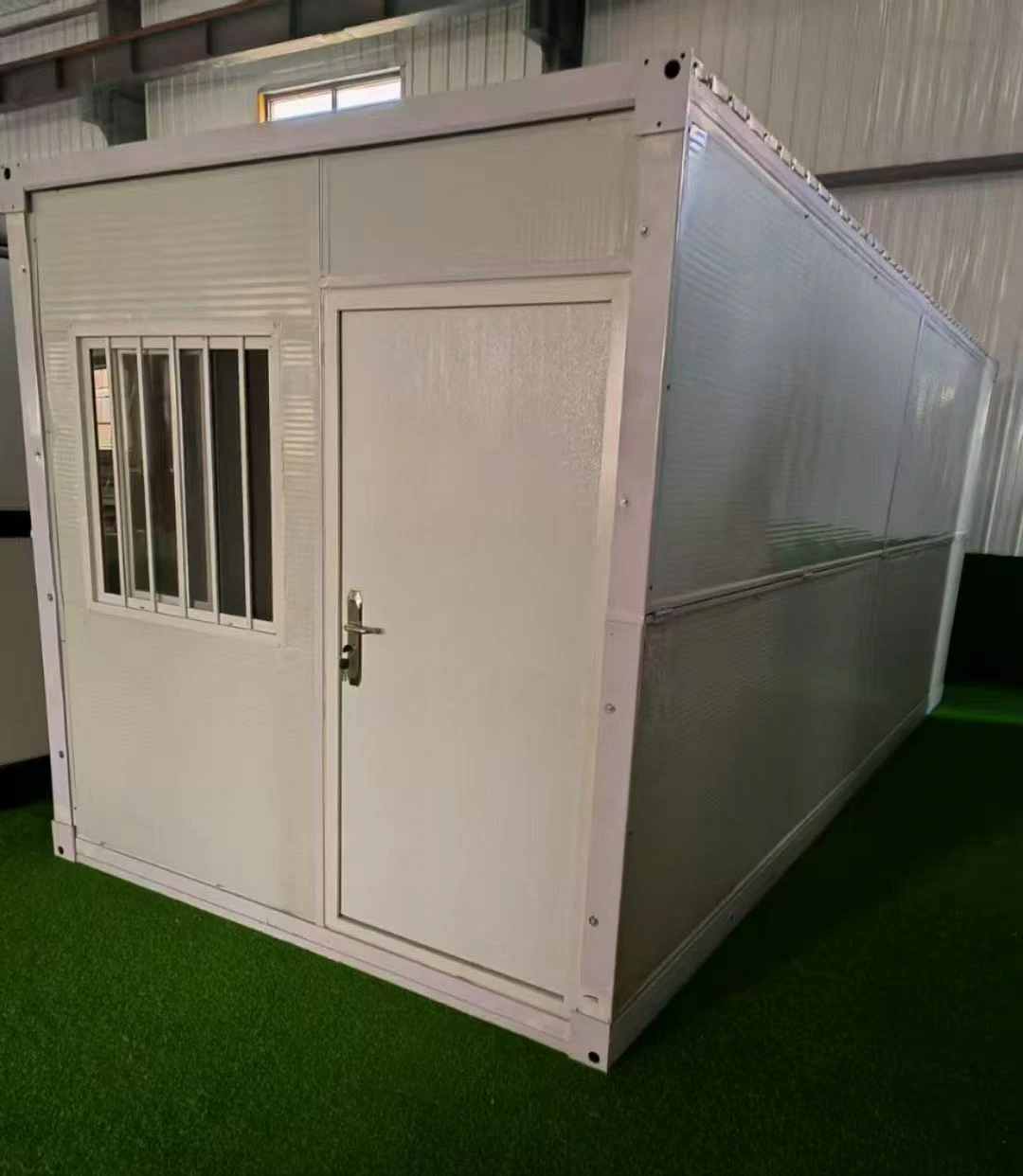
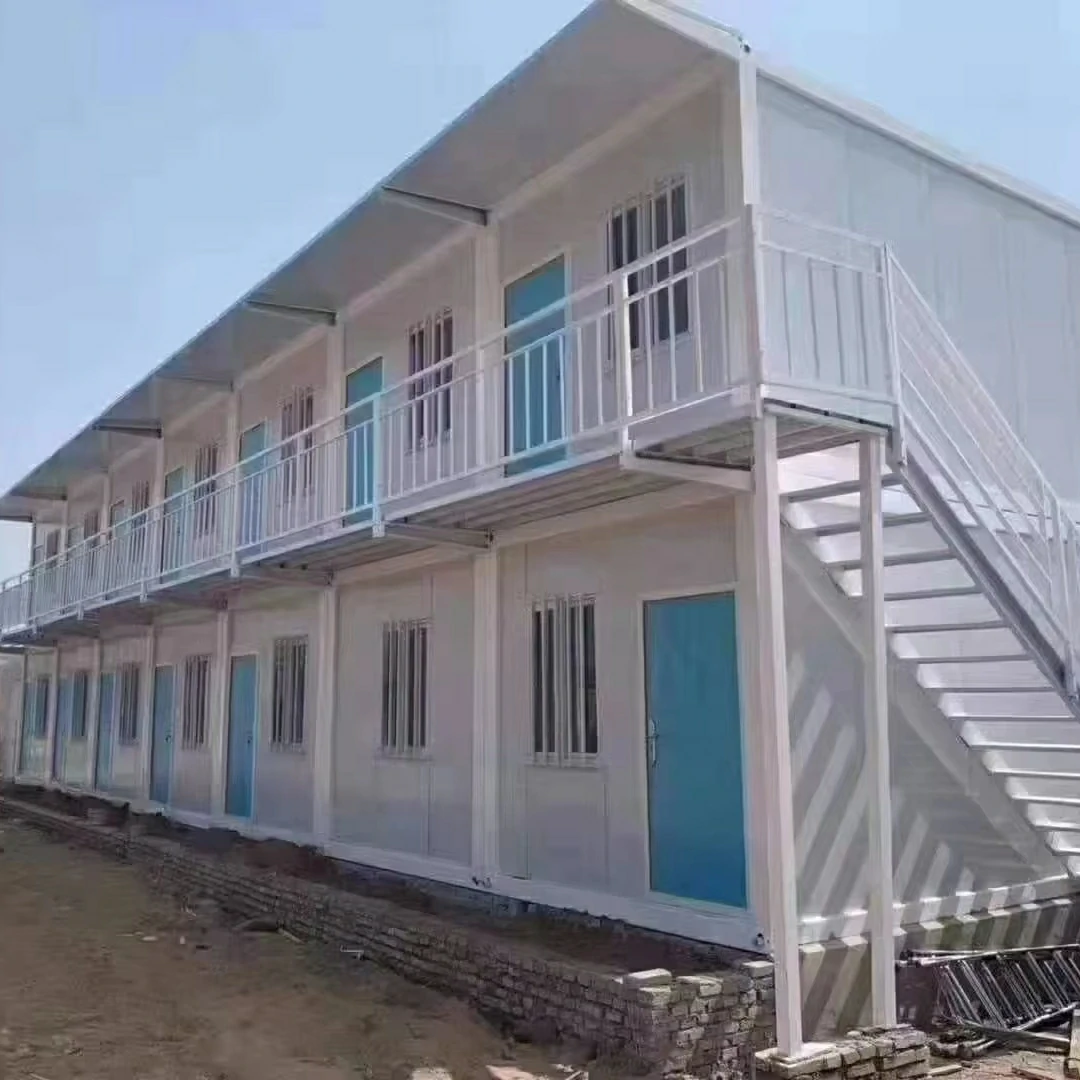
Modular container houses can be disassembled and relocated at any time, making them especially suitable for project site dormitories, exhibition halls, disaster relief settlements, and other scenarios that require frequent relocation.
Strong Structure
Containers are originally designed for bearing heavy loads during transportation, giving them high-strength steel structures with good resistance to earthquakes and typhoons, and making them adaptable to various environments.
Flexible and Versatile
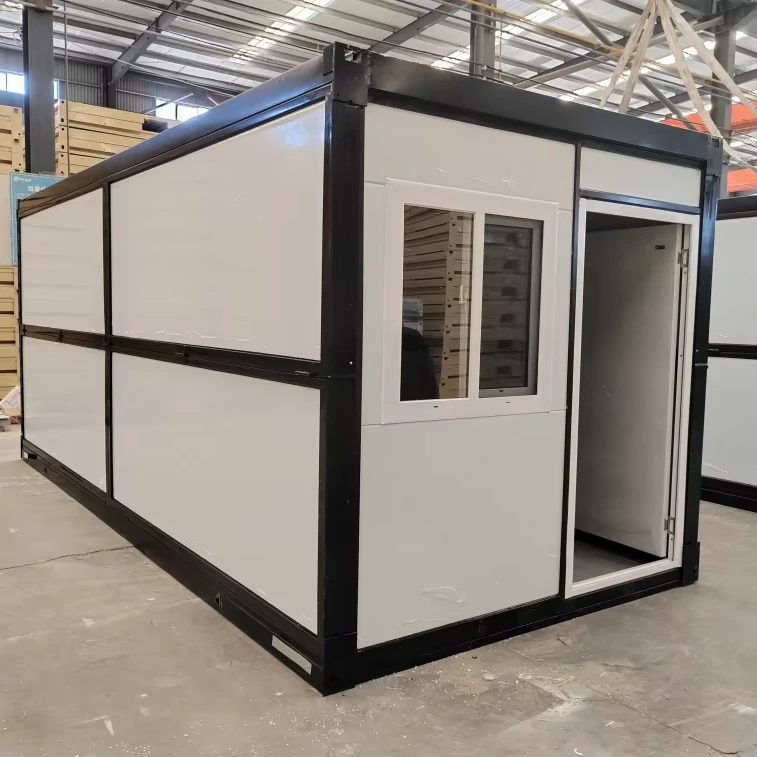
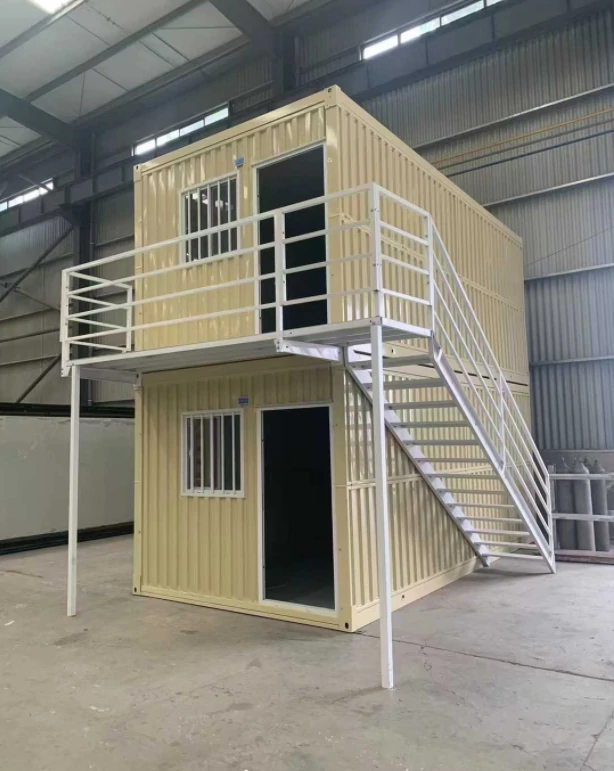
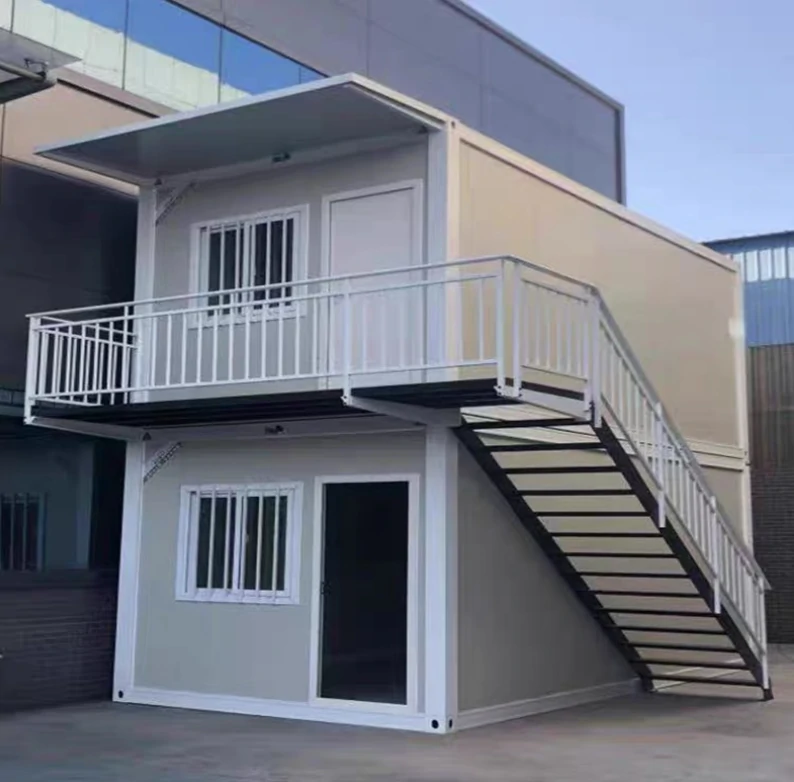
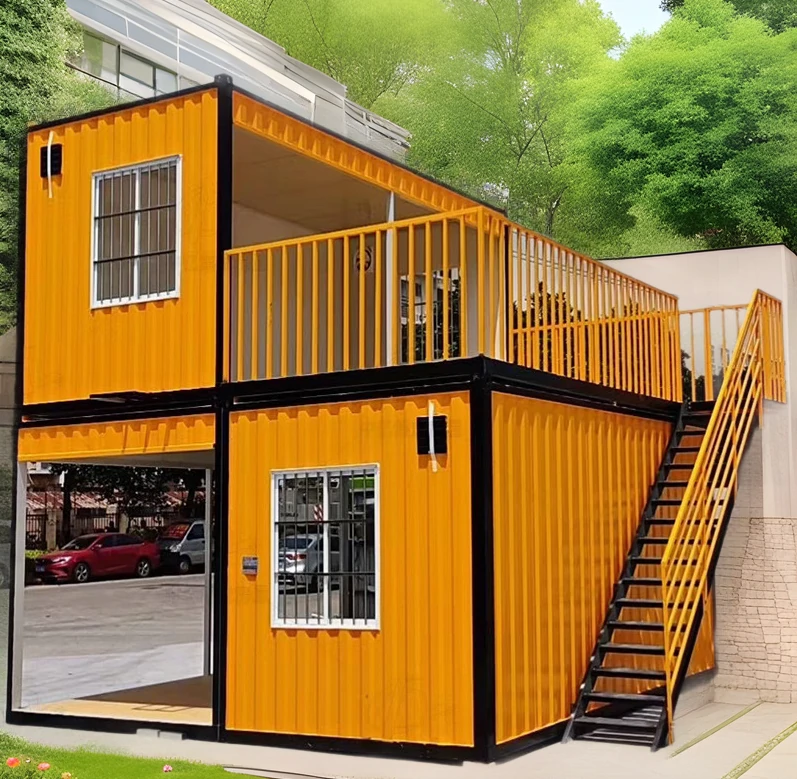
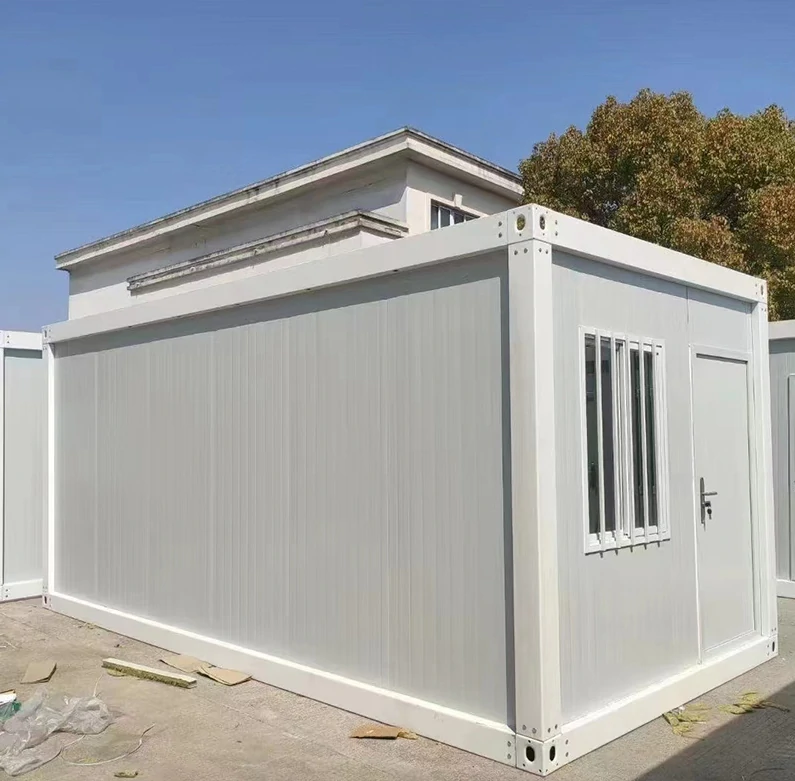
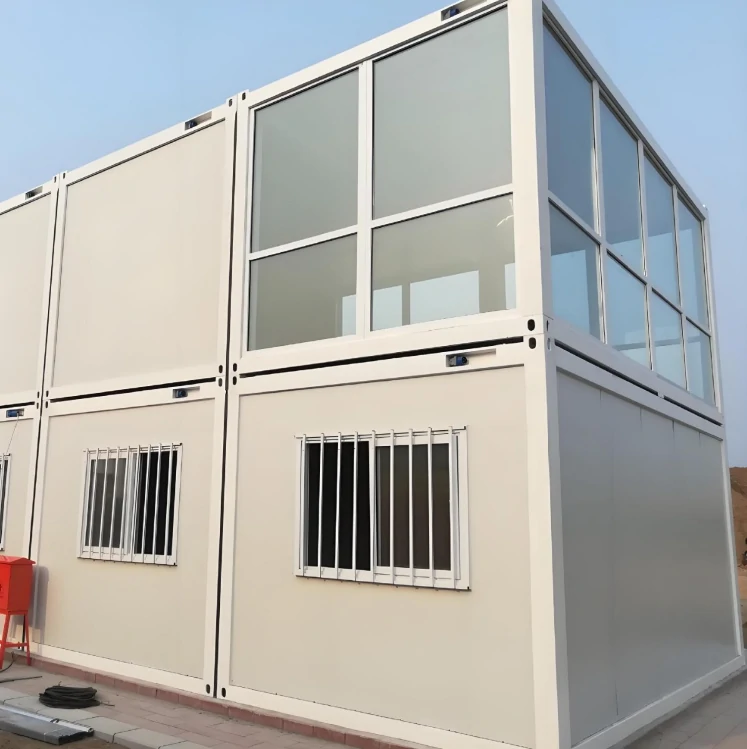
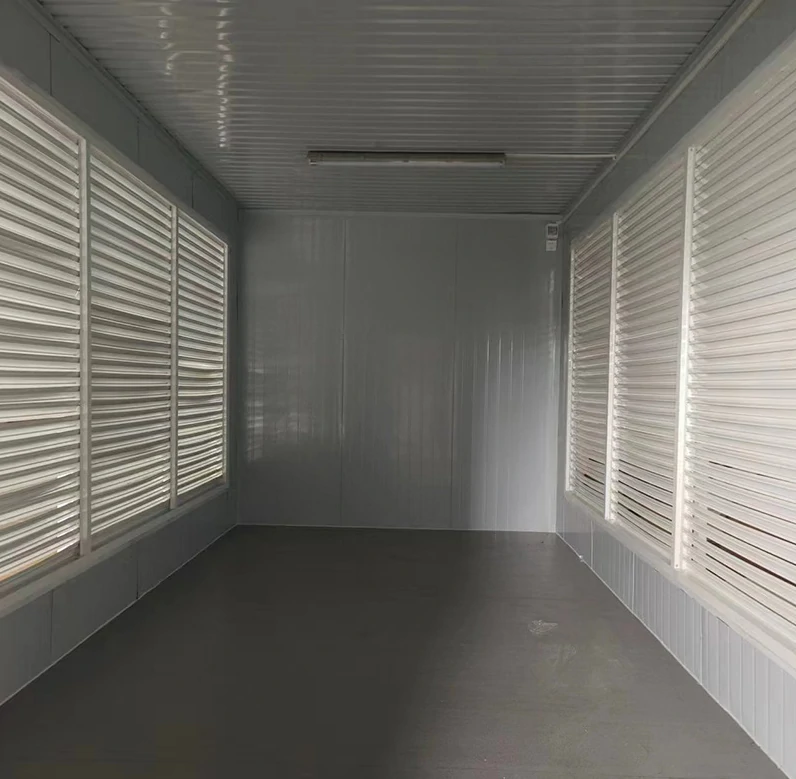
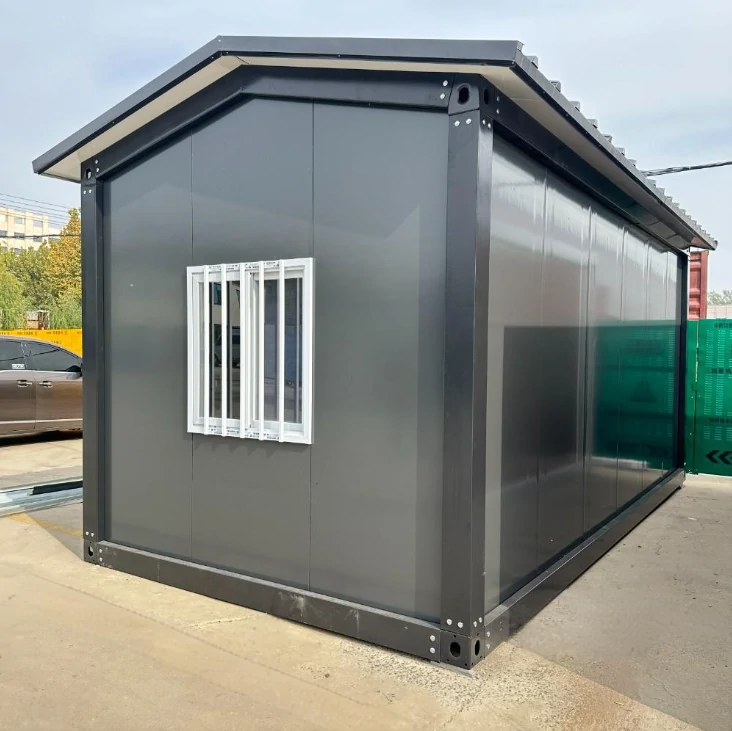
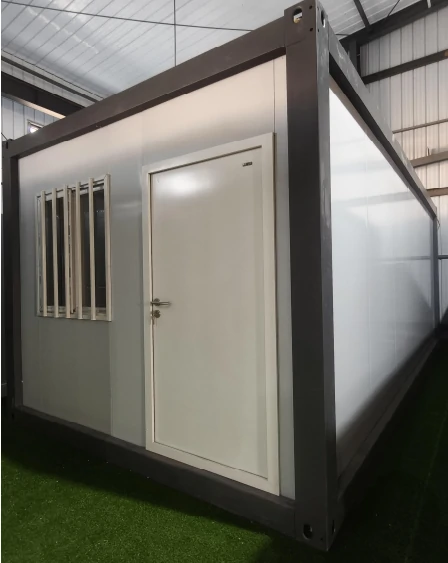
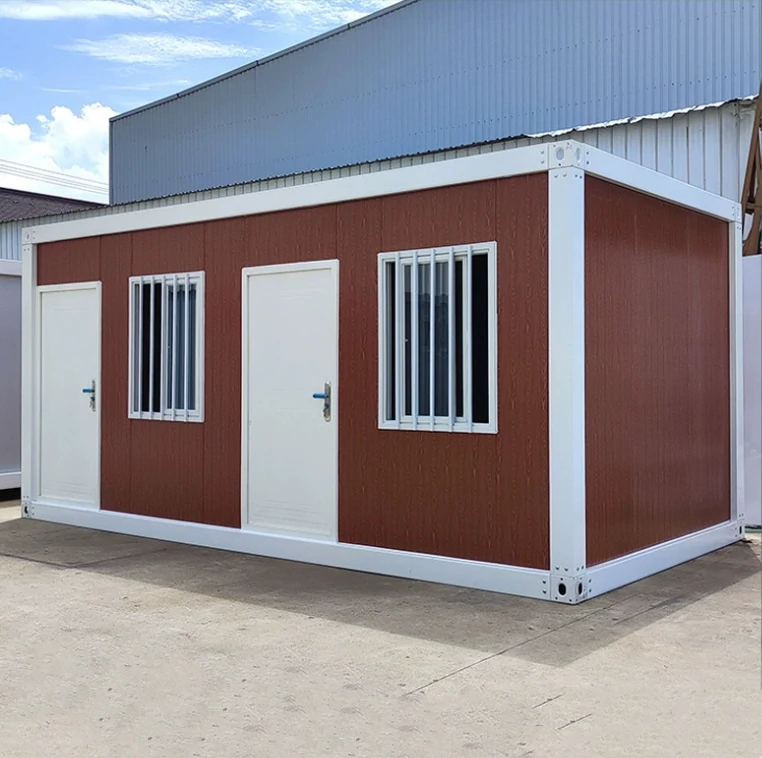
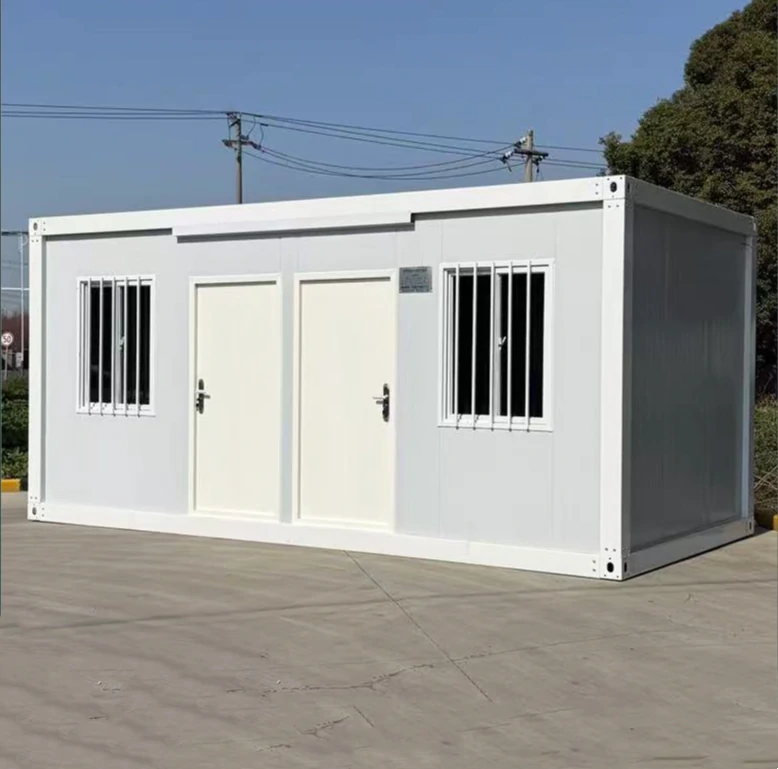
Container houses can be used individually, or multiple units can be combined and stacked to create office buildings, apartments, cafés, shops, and more, offering great design flexibility and scalability.
Easy to Customize
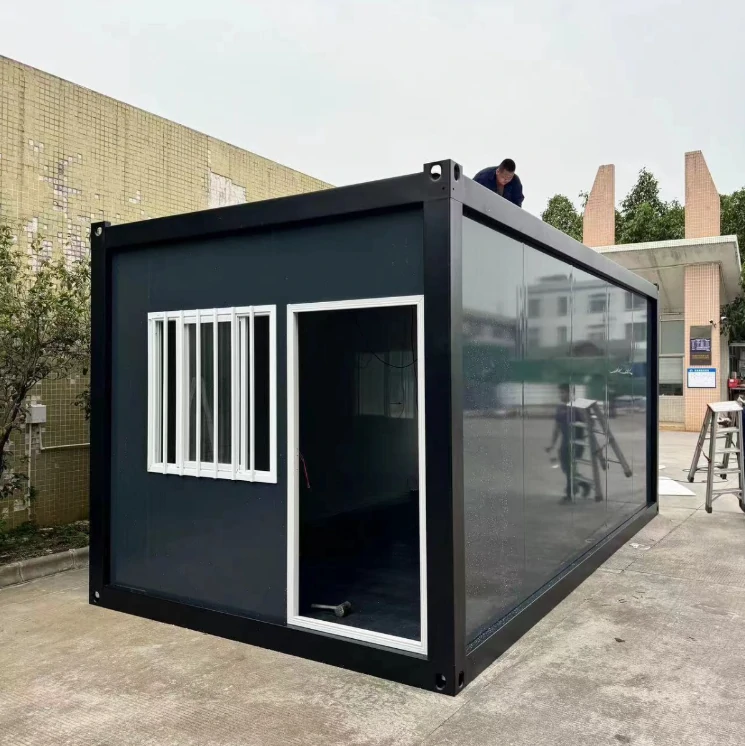
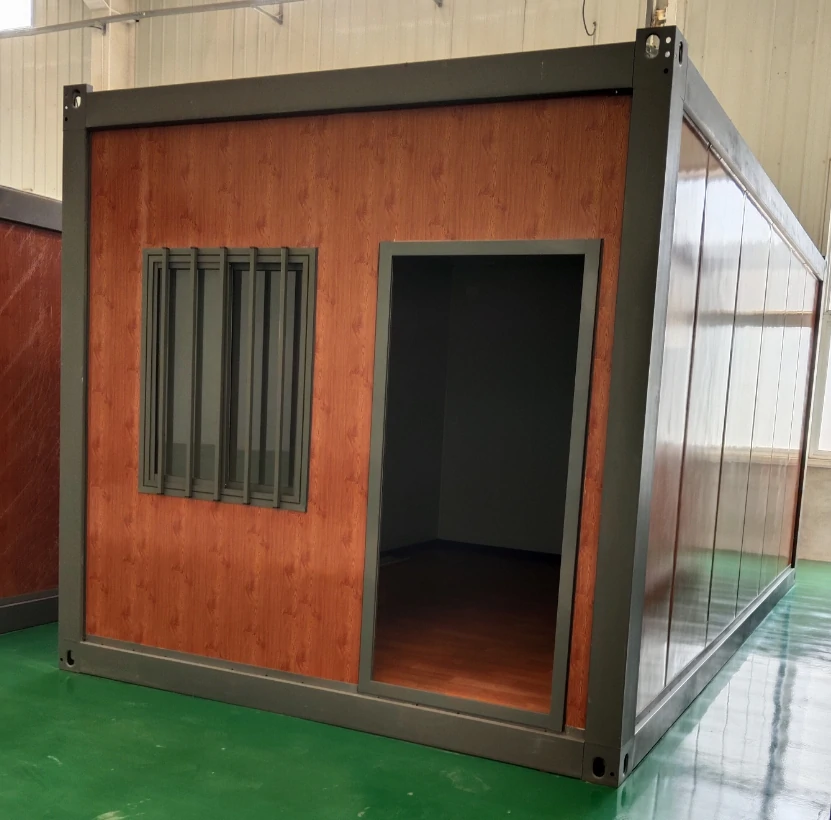
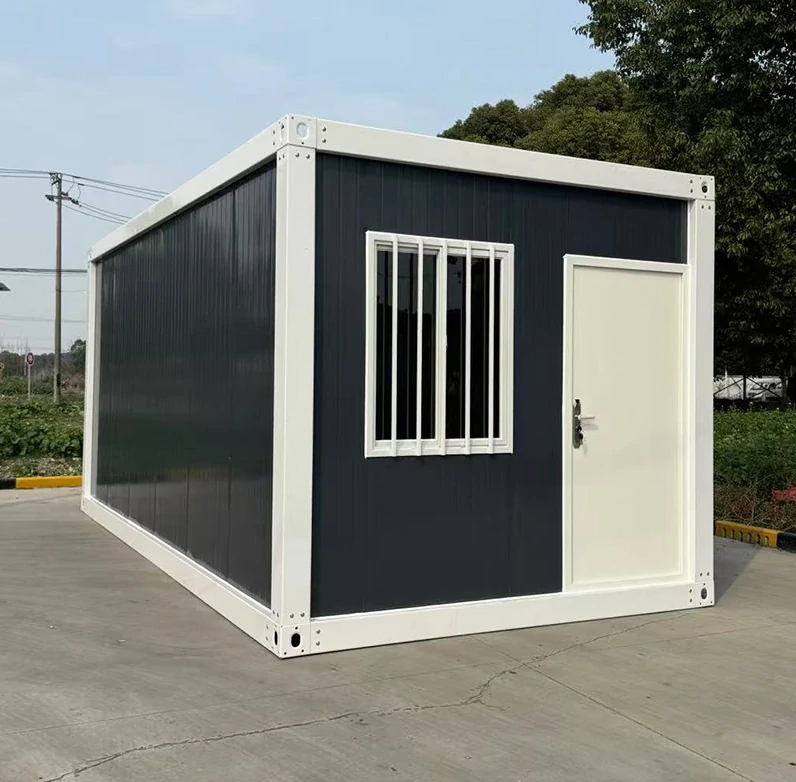
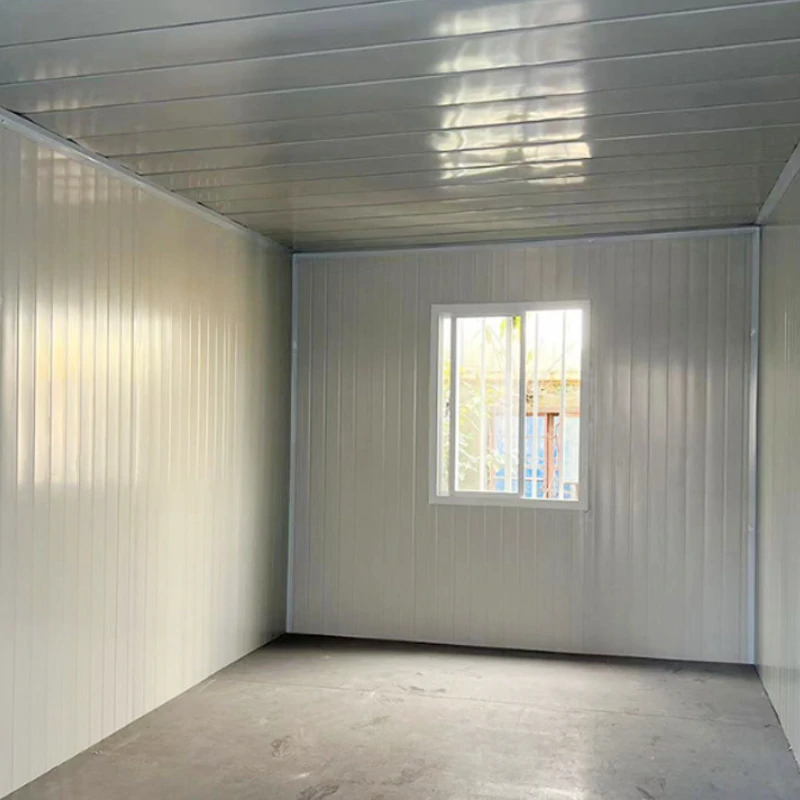
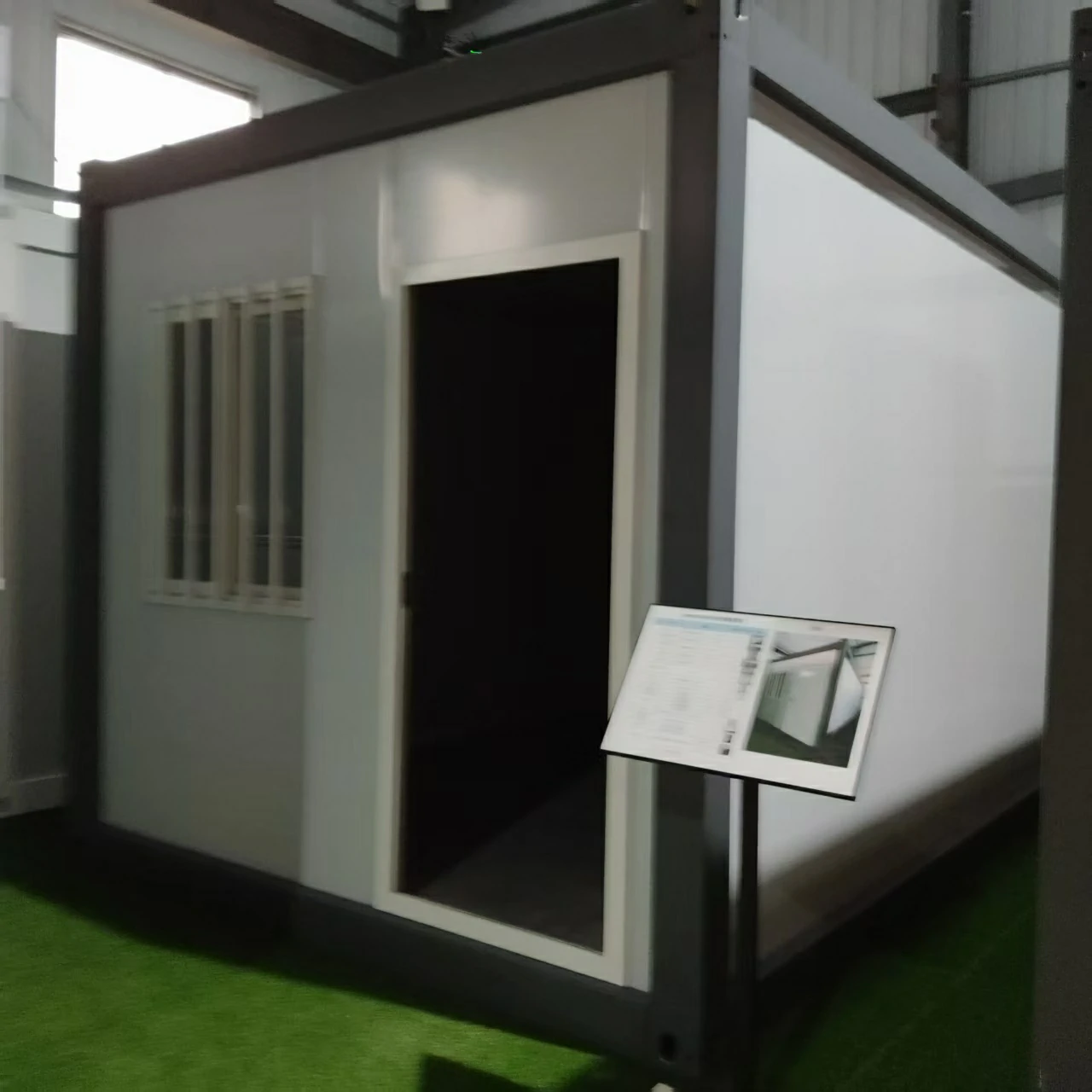
Both the exterior and interior layout can be customized according to specific needs, meeting various aesthetic and functional requirements and creating personalized spaces.
Simple Maintenance
The steel structure is easy to maintain, parts are easy to repair or replace, and the service life is long.
With their advantages of economic efficiency, flexibility, convenience, and eco-friendliness, container houses have become a new choice for modern buildings and temporary accommodations.
Misconception: Many people believe that you can buy a used shipping container, add a bit of simple decoration, and live in it, with costs much lower than a traditional house.
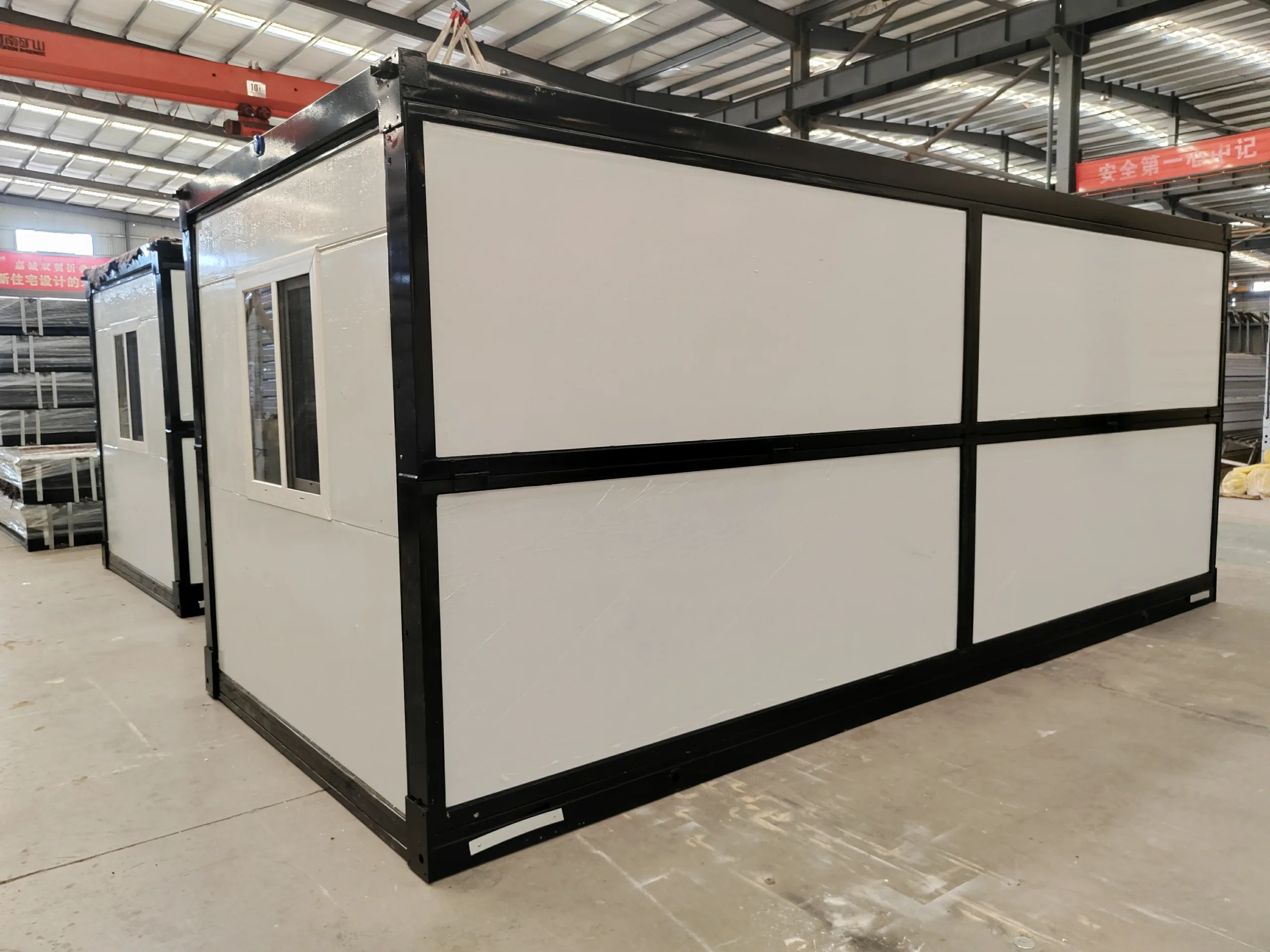
Fact: Container houses are not simply renovated old containers; they are newly built houses made from new steel structures and insulation materials. They are only designed with an appearance similar to containers for the sake of convenient transportation.
Misconception: Container walls are thin, easily corroded, not fireproof, and not disaster-resistant.
Fact: Properly manufactured container houses are structurally strong, use anti-rust and anti-corrosion materials, and are designed according to building codes to fully meet safety and fire protection requirements.
Misconception: All container houses look the same, are ugly, and can only be used for emergency purposes.
Fact: Container houses are now widely used in hotels, commercial streets, creative parks, and other fields. With proper design, a variety of appearances and spatial effects can be achieved.
Misconception: Containers are just temporary houses with poor durability.
Fact: With regular maintenance and proper use, their service life can reach twenty to thirty years or even longer.
Temporary accommodation
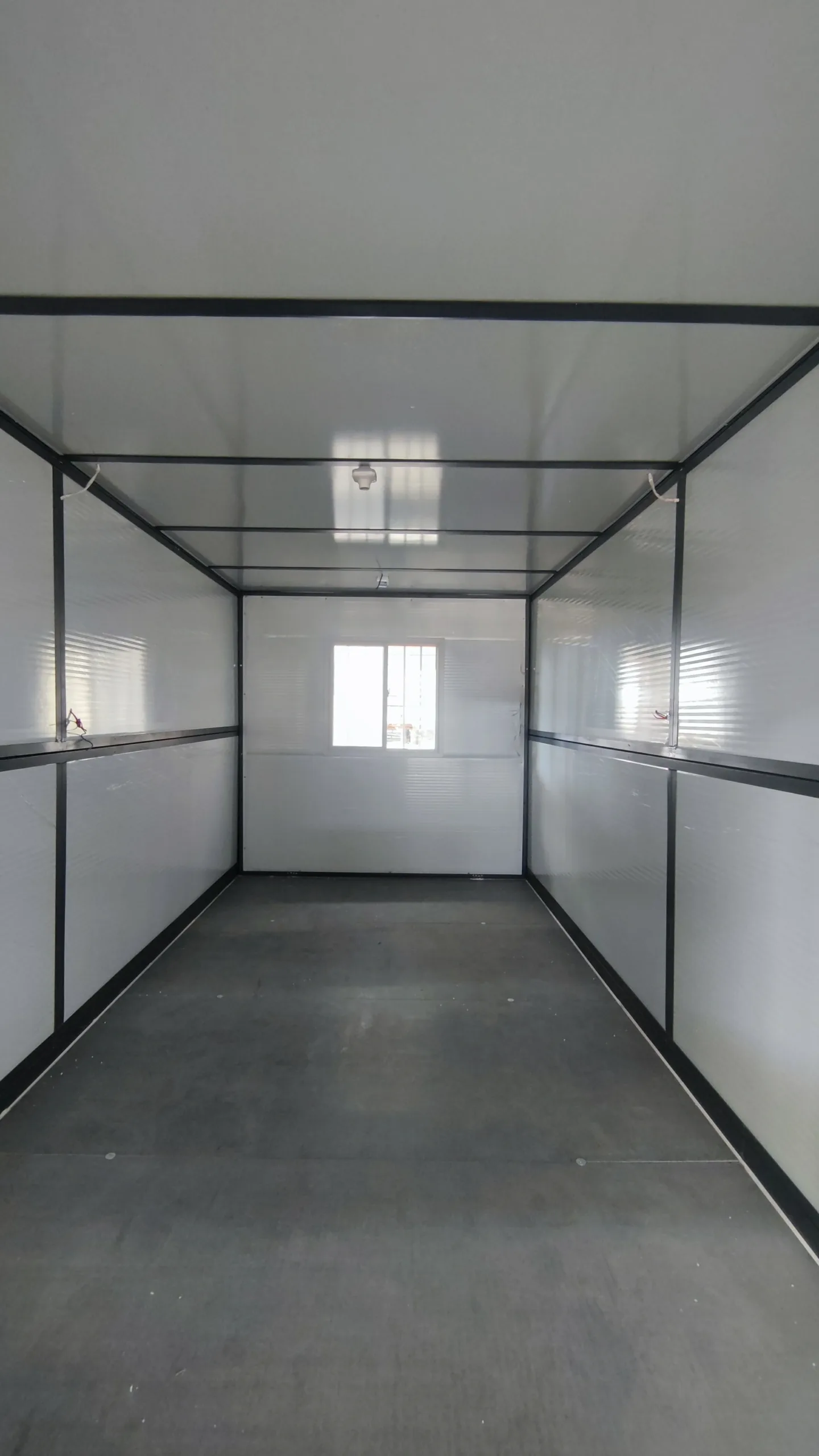
In some special circumstances, such as disaster, housing maintenance and social welfare resettlement, people need temporary resettlement. The folding house can be quickly built, and has the function of waterproof, windproof and thermal insulation, which can meet the needs of short-term living.
Emergency rescue
The folding house is suitable for emergency rescue. It can quickly become a command center for aid workers, a medical point and a storage place for supplies. It can be easily moved to meet the needs of different stages of rescue. It can provide a safe, clean environment and shelter for people affected by disasters.
Outdoor sports occasion
Folding houses can also be used for outdoor sports. In activities such as camping and wilderness exploration, it can be used as a temporary residence to provide participants with a space for rest and storage of items, providing a comfortable rest environment for outdoor sports enthusiasts to enjoy the fun of nature.
Travel in holiday
Folding houses can also be used for tourist vacations. In some tourist attractions, RV campsites and other places, folding houses are welcomed as a special form of accommodation. Folding houses are usually beautifully designed, and the internal space is rationally arranged, which can provide a comfortable living environment and meet the needs of tourists for vacation.